Alternative to Ambien for Sleep: Is There a Safer Option?

Alternative to Ambien for Sleep: Is There a Safer Option?

Yes. There are safer alternatives to Ambien. Options like CBT-I, magnesium, and CBD can help you fall and stay asleep without the side effects, dependency risk, or next-day fog. These alternatives work with your body, not against it, for lasting sleep support.

So when should you start thinking about one of these safer options? 

You should consider using a different product for sleep when you are in any of these scenarios.

  • You are tired of feeling groggy, off, or disconnected in the mornings

  • You’ve noticed you need more Ambien than you used to

  • You’ve skipped a dose and ended up wide-eyed at 3 a.m.

  • You’re dealing with other meds and want to avoid new interactions

  • You don't how reliant you’ve become on a prescription to sleep

Let’s get into the options you can change to.

What’s the Problem with Ambien for Sleep?

Look, I get why people turn to Ambien. It is fast, it works (at first), and when you’re desperate for sleep, that promise is hard to resist. 

But Ambien wasn’t built for the long haul.

It’s meant for short-term, occasional use. Yet many people end up relying on it nightly, sometimes for years.

That's a problem and here is why:

  • Dependency builds quickly. Your body adjusts, and before long, one pill doesn’t cut it.

  • Side effects get sneaky. Next-day grogginess, memory gaps, or even strange behaviors like sleepwalking or night eating.

  • Rebound insomnia hits hard if you try to stop cold turkey

  • It doesn’t address the root cause. Whether that’s anxiety, hormone changes, nerve discomfort, or a restless brain.

The risks go up for older adults.

Ambien increases the chance of falls, confusion, and even cognitive decline over time. This can be riskier for anyone juggling other medications.

Best Alternatives to Ambien for Sleep

The best sleep support is one that doesn’t force your brain into submission. It works with your body to restore balance, calm, and rhythm. 

Let's take a look at the best Ambien alternatives.

#1. Cognitive Behavioral Therapy for Insomnia (CBT-I)

This is hands-down the most research-backed solution out there. CBT-I helps you break the cycle of anxiety and poor sleep habits without needing medication. You learn how to reset your sleep drive, respond differently to wakefulness, and build a routine that works for your actual life.

#2. Magnesium and L-Theanine

These two natural supplements pack a quiet punch. Magnesium helps calm muscle tension and support your nervous system, while L-Theanine promotes a relaxed but alert mental state.

This combo is great for those who lie in bed with their brains still buzzing. They're gentle, non-habit forming, and won’t leave you foggy the next morning.

#3. CBD for Sleep Support

CBD doesn’t force you to sleep, unlike sedatives. It calms your nervous system, helps your body shift into rest mode, and supports better sleep through balance, not sedation.

Now, I’ll be honest. There’s a lot of hype out there about CBD. What matters is the form of CBD you choose. That can be oils, topicals, softgels, or capsules.

CBD is helpful if your sleep struggles stem from:

  • Stress or anxiety

  • Nerve discomfort

  • Hormonal changes.

  • Restless leg sensations that flare up at night

#4. Melatonin (Use Cautiously)

Melatonin is a hormone, not a sleep aid. It can help reset your internal clock, but long-term use may actually throw your system off. Many people report side effects like nightmares, hormonal disruption, or a complete lack of effect. 

CBD vs Other Sleep Aids: Which Is Better?

Better depends on what you’re looking for. Do you want to be knocked out cold? Or do you want to fall asleep gently and wake up feeling like yourself? That’s the first question I ask when someone tells me they’re comparing CBD to other sleep aids.

So let’s break it down based on effectiveness, safety, side effects, and how it fits into real life.

1. CBD vs. Ambien

Ambien sedates your brain. It doesn’t ask if you’re ready to sleep, it flips the switch. That’s helpful in a crisis, but it comes with memory gaps, grogginess, and a strong potential for dependency. Most people can’t use it long-term without running into problems.

CBD, on the other hand, doesn’t override your system. It gently supports your body’s shift into rest mode.

2. CBD vs. Melatonin

Melatonin is a hormone your body already makes. Some people supplement it when their sleep cycle is off (think jet lag). However, it is a hit-or-miss for chronic insomnia. Many people report side effects like vivid dreams, hormonal imbalance, or grogginess, especially with regular use.

CBD doesn’t interfere with your hormones. It works by calming your nervous system instead of forcing sleep, and that makes it safer for nightly use.

3. CBD vs. OTC Sleep Aids

Over-the-counter sleep meds rely on antihistamines to induce drowsiness. They might help you fall asleep, but they rarely lead to quality, restorative rest.

They also often leave you feeling cloudy the next morning. Plus, they can lose effectiveness over time.

CBD offers calmness without the chemical hangover. It’s non-addictive, and when used consistently, it helps your body re-learn how to wind down naturally.

4. CBD vs. Magnesium and L-Theanine

Magnesium relaxes muscles and calms the nervous system, while L-Theanine soothes mental chatter. Both are non-sedating and great for creating a relaxed pre-sleep state.

CBD can amplify their effects by further reducing physical and emotional tension. Think of magnesium and L-Theanine as building a foundation, and CBD as the finishing touch that tells your body.

So, Which Is Better?

If you need to be knocked out quickly, a prescription might do that, but you’ll likely pay for it in the morning. If your goal is long-term, sustainable sleep support, CBD offers a much safer, more balanced path.

CBD Forms for Sleep

The way CBD enters your system affects how fast it works, how long it lasts, and how it feels in your body.

CBD Oil or Tinctures

These are absorbed under the tongue and enter your bloodstream fairly quickly. They’re popular because they offer flexible dosing and a fairly fast onset.

Oil or tinctures are not always ideal for people with sensitive stomachs or anyone already taking multiple medications. 

Also, taste can be a barrier, and consistency is key with CBD. You can’t take it once and expect a miracle.

CBD Gummies or Capsules

Oral forms like these are convenient and easy to dose, but they have to go through your digestive system. That means slower onset, and sometimes, reduced absorption.

This is not always the best route for people who already struggle with GI issues or want to avoid drug interactions. 

Let’s be real. If you’re trying to unwind, waiting an hour to feel anything is not that helpful.

Topicals

Topical CBD works through the skin, bypassing digestion completely. When you apply it to pulse points like wrists, forearms, or the back of your neck, it activates calming responses in your nervous system.

The act of applying a calming cream before bed signals your body to wind down.

Which Form Is Best for You?

There’s no one-size-fits-all. But if you're:

  • Trying to avoid pills

  • Sensitive to digestion or hormones

  • Dealing with chronic discomfort or anxiety

  • Needing something you can use nightly without side effects

…then CBD topicals might be the option that finally clicks. They’re gentle and play nicely with other sleep routines like magnesium, stretching, or a hot shower.

How to Make the Switch from Ambien Safely

Resetting how your body relates to rest takes patience, support, and the right tools.

Here’s how you should do it.

1. Talk to Your Doctor First

Ambien can create physical dependence, and quitting suddenly may cause rebound insomnia, anxiety, or worse. A gradual taper, under medical guidance, gives your nervous system time to adjust without crashing your sleep altogether.

2. Add Support Before You Subtract the Drug

People try to stop Ambien without adding anything new to support their body. This one might hurt you instead of helping.

Think of it like a bridge. You need something solid to walk onto before stepping off what you’ve been standing on.

Do it this way.

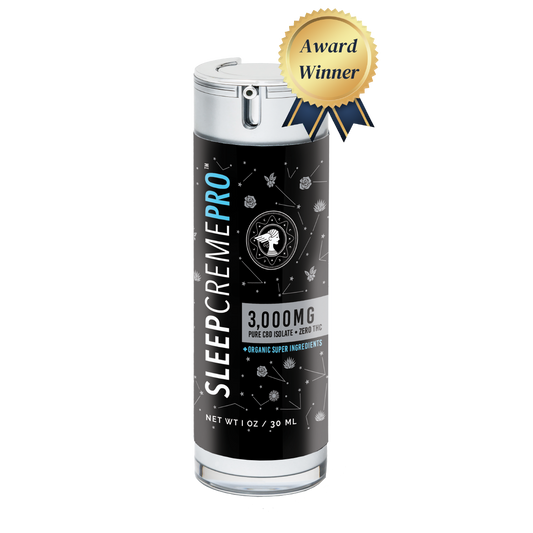
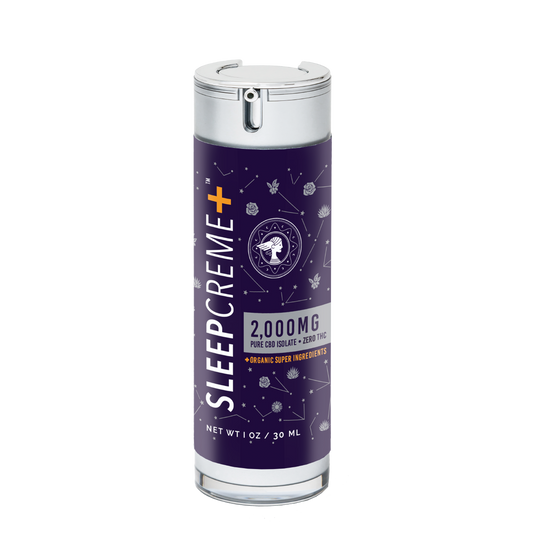
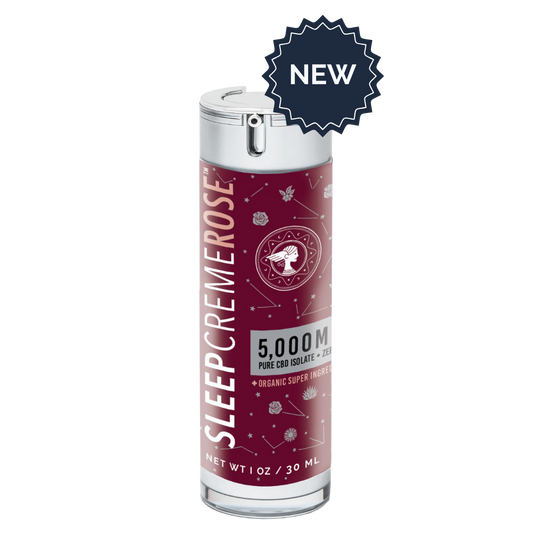
  • Start applying a topical CBD like SleepCreme before reducing your Ambien dose. It can help calm your system while you transition.

  • Use magnesium. This can smooth out sleep-wake cycles and reduce physical restlessness.

  • Take care of your bedtime rituals. Think hot shower, dim lights, slow breathwork. Small habits send big signals to your brain.

3. Don’t Expect Knockout Power

Ambien knocks you out. Natural supports don’t (and shouldn’t). The goal with CBD or CBT-I is regulation. 

You may still have restless nights in the early days, especially if your system’s been medicated for years.

What matters is building consistency and giving your body space to relearn.

4. Use CBD as Your New Wind-Down Cue

Apply your CBD cream at the same time each night. Over time, your body will begin to associate the scent, feel, and rhythm of application with sleep.

5. Be Gentle with Yourself

There’s no medal for getting off Ambien in a week. You’re rewiring something deep here. There may be nights when your old symptoms pop up. That doesn’t mean you’ve failed. You are human, so keep showing up for your new routine. 

There’s a Gentler Way to Sleep

If Ambien has left you feeling uneasy, physically, emotionally, or both, you’re not wrong to question it. There are tools that help your body sleep without overriding it, numbing it, or making you dependent on something to feel normal.

CBD is one of those tools. So is magnesium. So is simply giving your nervous system permission to slow down at night instead of jolting it into unconsciousness. These are not quick fixes, but neither was Ambien.

Ready to Sleep Without the Side Effects?

If you're done with groggy mornings, unpredictable nights, and relying on a prescription to shut your brain down, it’s time for something better. SleepCreme was designed for people who want restful sleep without pills, melatonin, or side effects. 

We made it with 99% pure CBD isolate and fast-absorbing natural ingredients to calm your system and ease you into rest.

Try SleepCreme risk-free. If it doesn’t help you sleep better, we’ll give you your money back.

Back to blog

Leave a comment

Please note, comments need to be approved before they are published.