Busting the Biggest Sleep Myths
What Science Really Says About Better Rest
For something every human does, sleep is still wildly misunderstood. Everywhere you look, there’s a new hack, a trending remedy, or a belief passed down from generations that promises deeper rest. But when it comes to your health, the wrong information can actually keep you from getting the quality sleep your mind and body crave.
Today, we’re separating fact from fiction using trusted research from the American Academy of Sleep Medicine, Sleep Foundation, NIH, and leading sleep experts.
Here are the most common sleep myths—busted.
Myth #1: “Everyone needs exactly 8 hours of sleep.”
Reality: Most adults thrive on 7–9 hours, but your ideal sleep need is personal. Some people function beautifully at 6.5 hours, while others truly need closer to 9.
What matters most:
- A steady circadian rhythm
- Sleep efficiency (how much time in bed you’re actually asleep)
- Deep, restorative sleep cycles
- Lower nighttime stress
Consistency beats perfection. Your body wants rhythm, not a rigid number.
Myth #2: “You can catch up on sleep over the weekend.”
Reality: Sleeping in on Saturday won’t repair the cognitive, metabolic, or hormonal effects of weekday sleep loss. Research shows that “catch-up sleep” disrupts circadian alignment and often leads to social jet lag—making Mondays even harder.
Better strategy: aim for steady, predictable sleep windows throughout the week.
Myth #3: “Snoring is harmless.”
Reality: Occasional snoring can be normal, but frequent or loud snoring is one of the biggest red flags for sleep apnea, an airway disorder that impacts heart health, cognition, mood, and overall recovery.
If snoring is consistent, it’s worth discussing with a clinician.
Myth #4: “Alcohol helps you sleep.”
Reality: Alcohol may make you drowsy, but it destroys sleep architecture—especially REM sleep. It increases nighttime wakings, raises resting heart rate, and can make the next day feel like you never slept at all.
A better wind-down ritual: calming routines that soothe the nervous system without sedatives.
Myth #5: “The more sleep you get, the better.”
Reality: Oversleeping regularly (9.5+ hours) can indicate:
- Poor sleep quality
- Underlying health issues
- Depression
- Fragmented sleep cycles
Your goal isn’t more sleep—it’s efficient, restorative sleep that helps the body repair and reset.
Myth #6: “If you wake up during the night, something is wrong.”
Reality: Humans naturally wake 1–4 times a night during sleep-cycle transitions. What matters is how quickly you settle back to sleep.
Gentle relaxation routines, and predictable sleep cues can help the body return to rest without stress spikes.
Myth #7: “Lying in bed counts as rest.”
Reality: Resting awake does not give your brain the benefits of real sleep. Memory consolidation, nervous-system recovery, emotional processing, and cellular repair happen only during genuine sleep.
Still awake after 20 minutes? Experts suggest getting up and doing something calming until you feel sleepy again.
Myth #8: “Blue light is the only thing keeping you awake at night.”
Reality: Blue light affects melatonin, but nighttime anxiety and cortisol spikes can be even more influential. Many people feel mentally wired, not visually overstimulated.
Layered wind-down habits—dim lighting, calming scents, relaxation tools—help create a full-body cue to rest.
Myth #9: “Melatonin is the safest, best sleep solution.”
Reality: While melatonin can be useful in the short term, researchers are raising concerns about long-term use. Issues include:
- Hormonal interference
- Grogginess
- Inconsistent over-the-counter dosages
- Reduced natural melatonin production
This is why many people look for non-hormonal, plant-based sleep support instead.
Myth #10: “Older adults naturally sleep poorly.”
Reality: Sleep does change with age, but consistently poor sleep is not inevitable. Often, issues stem from:
- Pain
- Medications
- Stress
- Lifestyle shifts
- Circadian rhythm changes
And all of these are manageable with the right support system and sleep hygiene.
Myth #11: “Napping ruins your nighttime sleep.”
Reality: Short naps—10 to 20 minutes—can improve focus and energy without harming nighttime sleep. Problems only arise when naps are too long or too late.
Myth #12: “Insomnia is just in your head.”
Reality: Insomnia is both physiological and neurological. Hormones, nervous-system dysregulation, stress, and even pain can play a role. It’s not simply a mindset issue, and you’re not “failing” at sleep if it’s difficult for you.
Myth #13: “Dreams don’t matter.”
Reality: Dreams are your brain’s emotional housekeeping. REM sleep helps regulate mood, memory, learning, and resilience. Disturbed or vivid dreams can be an indicator of heightened stress or disrupted sleep cycles.
Myth #14: “If I can’t fall asleep, I should stay in bed until it happens.”
Reality: Sleep researchers consistently recommend the opposite. If sleep isn’t coming, get out of bed and do something relaxing—stretching, reading, deep breathing.
This retrains the brain to associate bed with sleeping, not stressing.
So What Does Help You Sleep Better?
With the myths out of the way, you can focus on what truly supports deeper, healthier sleep:
- A consistent bedtime routine
- Reduced nighttime stress and cortisol
- Sleep cues that gently signal, “It’s time to wind down”
- A calm, regulated nervous system
- A bedroom environment that feels safe, quiet, and restful
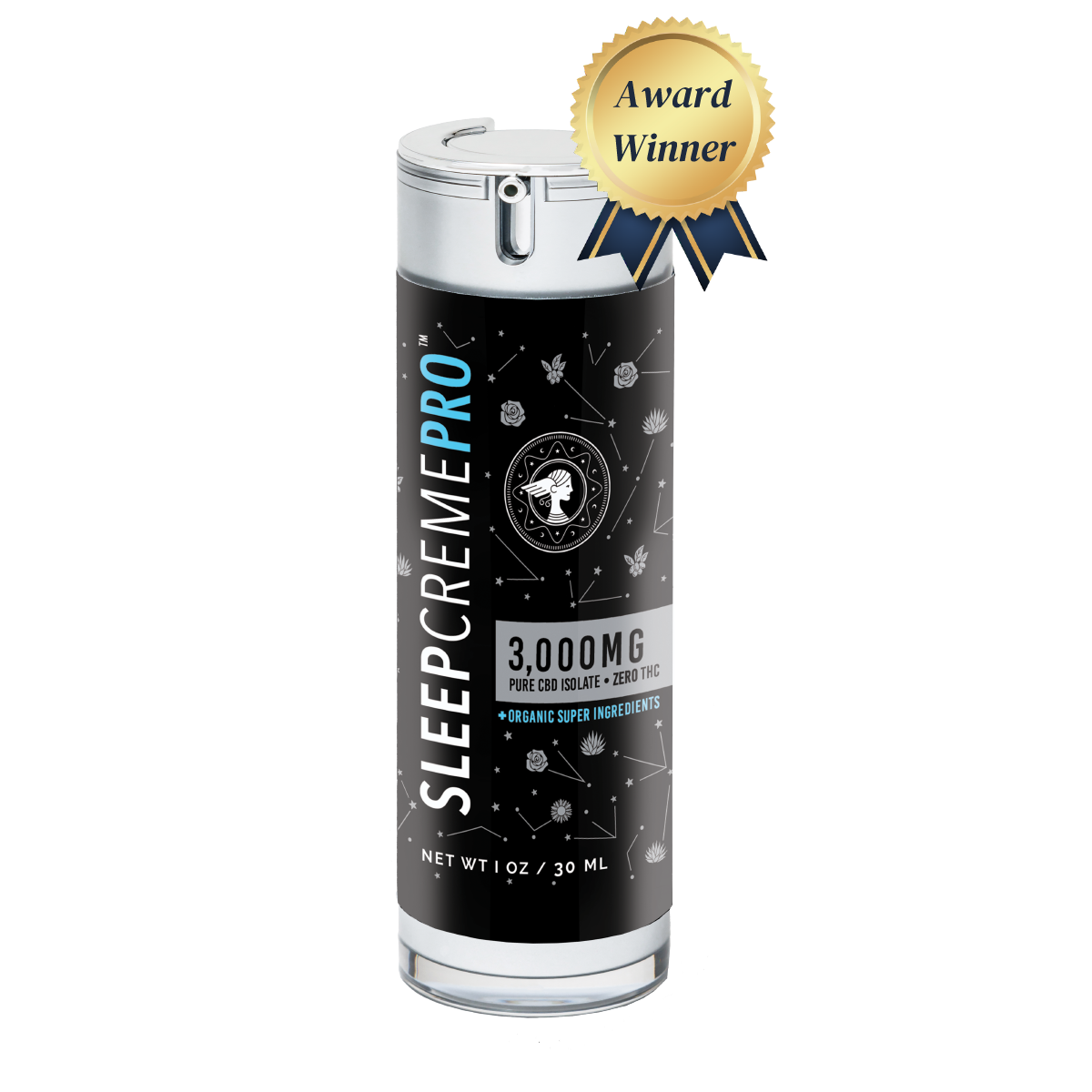
If you’re looking for a natural, non-hormonal addition to your nighttime routine, SleepCreme’s topical formula—featuring calming lavender, rosehip, and soothing botanicals—helps the body relax so sleep can come more easily and naturally.
Better sleep begins with better understanding. And now you have it.