
Yes, sleep apnea can cause or worsen neuropathy. Oxygen deprivation during sleep damages peripheral nerves over time, especially in the feet and hands. Untreated apnea may also exacerbate existing conditions like diabetes-related nerve discomfort.
Let’s break down what that really means and what you can do about it that doesn’t involve a lifetime strapped to a CPAP machine.
Medical Link Between Sleep Apnea and Nerve Damage
Most people think of sleep apnea as a breathing issue or maybe something that causes loud snoring. But what’s happening under the surface goes much deeper. When your body is repeatedly starved of oxygen during sleep, your nerves can take a hit too.
This connection between sleep and nerve health is not obvious at first. You start to notice strange sensations in your feet or hands. Maybe it feels like they’re falling asleep more often. Maybe you wake up with a weird buzzing feeling. The first instinct is to blame aging, poor circulation, or even anxiety. Sleep usually doesn’t get the blame.
But science now tells a different story.
How Apnea Causes Intermittent Hypoxia
Sleep apnea, especially the obstructive kind, causes your airway to collapse temporarily while you sleep. That stops or restricts breathing. Each time that happens, your oxygen levels drop. These are repeated, sharp dips all through the night.
This process is called intermittent hypoxia. Your body goes from getting enough oxygen to not enough, over and over again. Some people experience this dozens or even hundreds of times in one night. The result is a cascade of stress inside your system. Inflammation increases. Blood flow becomes less reliable. And your nerves start to suffer.
What Happens to Nerves During Oxygen Deprivation

Peripheral nerves need oxygen to function properly. When they don’t get enough, they begin to weaken. The protective covering around the nerve fibers breaks down. This disrupts how messages travel from your brain to your limbs and back again.
One of the earliest signs is what doctors call a stocking-glove pattern. You feel numbness or tingling in your feet and hands, the way you would if you’d cut off circulation to a limb. But in this case, the issue is what is happening while you sleep.
A good number of people with sleep apnea showed signs of polyneuropathy. That includes people without diabetes or other common risk factors. The oxygen drops from apnea were enough to start damaging their nerves on their own.
There’s some good news, though. When people with sleep apnea start treatment, with consistent CPAP use, their nerve function often improves. In some cases, the symptoms lessen significantly. This tells us that when the oxygen supply is restored, nerves can begin to heal.
Neuropathy Symptoms Triggered by Sleep Apnea
The truth is, nerve dysfunction triggered by sleep apnea often flies under the radar. These symptoms sneak in quietly, often when you're resting. Here are the ones I’ve seen come up the most:
-
Numbness in the feet or hands. One of the earliest red flags is waking up with numb or dead-feeling limbs. If it keeps happening, in a predictable pattern like both feet or both hands, it could be a sign that your nerves are not getting enough oxygen at night.
-
Burning or tingling sensations. That odd buzzing or electric feeling in your feet or legs can be a signal of damaged nerves.
-
Pins and needles during the night. If your limbs tingle or feel prickly while you sleep, your nerves might be trying to wake you up, and not in a good way.
-
Stocking-glove pattern. This term describes how symptoms often appear first in the areas that would be covered by socks or gloves. It’s a hallmark sign of peripheral neuropathy and commonly seen in people with untreated or advanced sleep apnea.
Why This Link Is Often Missed by Doctors
I’ve spoken with people who’ve seen their primary care doc, a neurologist, even a podiatrist, and still didn’t get a straight answer.
-
Most doctors don’t connect sleep to nerve symptoms
-
The symptoms overlap with too many other conditions
-
CPAP users assume nerve issues mean something else
-
There’s still a gap in awareness about sleep apnea’s reach
Can Treating Sleep Apnea Improve Nerve Discomfort?

If sleep apnea is part of what’s causing your nerve symptoms, then yes, treating it can absolutely help. But like most things in the body, it depends.
-
Nerve function can improve with consistent CPAP use. People with obstructive sleep apnea (OSA) who regularly use CPAP machines often see improvements in how their nerves conduct signals.
-
Some symptoms may partially or fully resolve. When your body starts getting proper oxygen every night, it’s like the repair crew finally shows up.
-
The earlier, the better. If the nerve damage has gone on for years, results may take longer or be less dramatic. But if caught early, consistent CPAP use can sometimes stop the progression or even help your body recover.
Natural Ways to Support Nerve Health and Sleep Quality
There’s something empowering about knowing your body can still respond, even after years of disrupted sleep or numb feet that won’t quit. While machines and meds have their place, I believe in building a wind-down routine that helps your nervous system and sleep cycles sync up again.
Here are some of the most effective, natural approaches that you can try.
1. Anti-Inflammatory Lifestyle Upgrades
The foods you eat, the way you move, and how you wind down at night can either fuel nerve irritation or help settle it. I’m not talking about going vegan or becoming a gym rat overnight. I’m talking about doable, daily steps that make your body more resilient to stress and inflammation.
-
Eat for nerve support. Load up on leafy greens, berries, avocado, wild salmon, and foods rich in magnesium and B vitamins. These nutrients help reduce inflammation and keep your nerves firing smoothly. They also support better oxygen delivery.
-
Move more, but gently. Light activity like walking, stretching, or yoga helps improve circulation and oxygen flow to your extremities.
-
Sleep hygiene still matters
A dark, cool room, no screens an hour before bed, and a regular bedtime are proven tools that help your nervous system feel safe enough to switch gears into rest mode.
2. CBD and Remedies for Nerve Support and Better Sleep

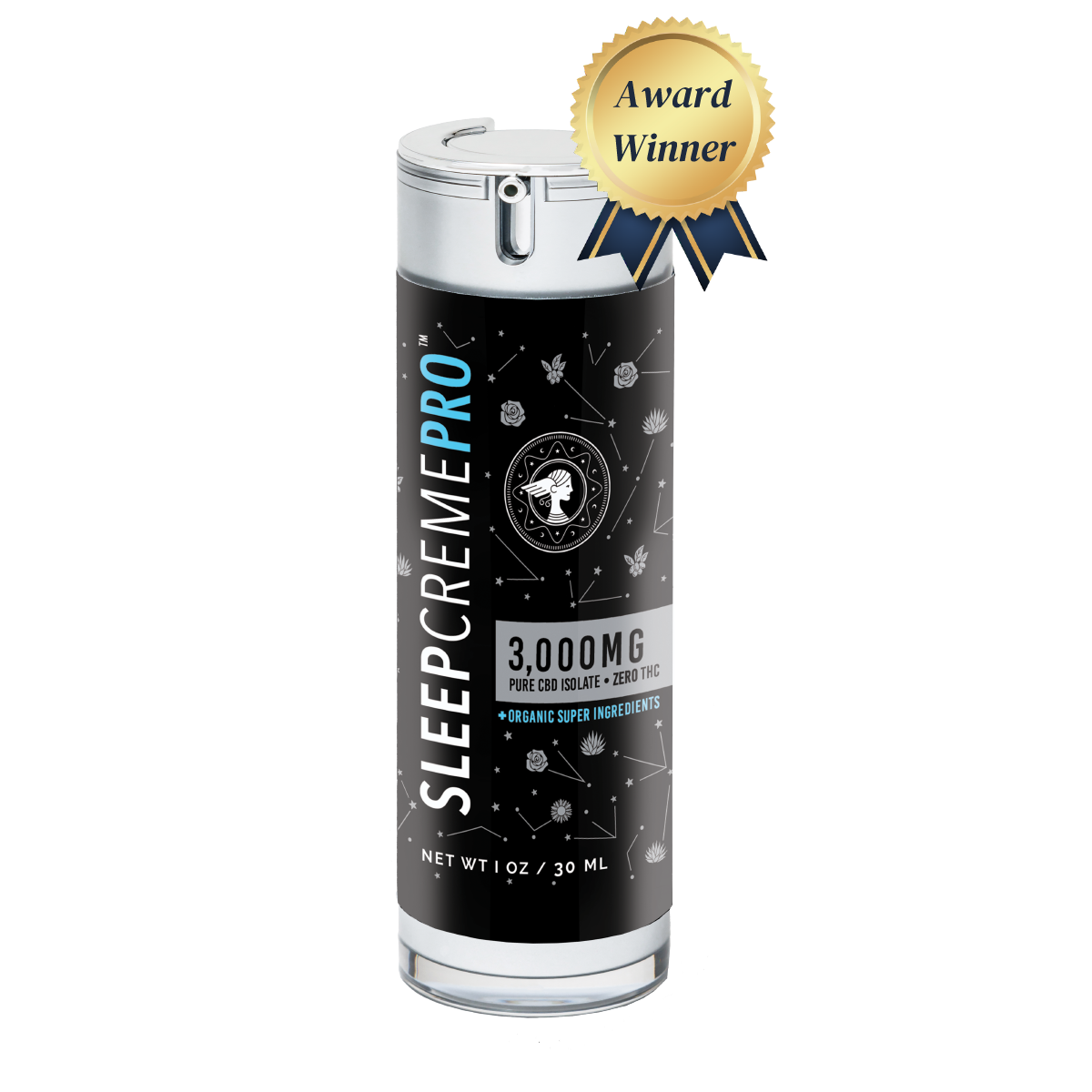
When nerves are misfiring in your legs or feet, rubbing something directly into the skin makes intuitive sense. It’s one of the reasons we started working on SleepCreme in the first place. We needed a gentle, drug-free way to calm the body and ease into sleep.
Why topicals? You may ask.
It works through the skin at pulse points, no digestion required. That means you avoid grogginess, pills, and the waiting game.
Our SleepCreme is made with 99% pure CBD isolate, aloe, and essential oils, and it absorbs fast, so you can get to sleep without wondering when you’ll feel something.
3. Vitamins, Breathing, and Mindful Support
Small things like supplementing wisely or learning how to breathe more intentionally at night can shift your whole experience. These are not nice-to-haves, but tools for giving your body the consistency and calm it craves.
Vitamins like B12, magnesium glycinate, and D3 play a direct role in how your nerves function and how deeply you sleep. Get your levels checked and fill in what’s missing. Your body will thank you.
When to Talk to Your Doctor
Sometimes it is obvious that something’s off. Maybe it’s the tingling in your feet that won’t quit, or the way your hands go numb before sunrise. You’ve tried changing your sleep setup, you’ve cut back on caffeine, maybe even tried a few natural supports, and still, the symptoms keep knocking.
That’s when it’s time to bring in a professional.
Not because you’re giving up. Not because you’re being overly cautious. But because your body is giving you consistent signals. Part of taking care of yourself is listening to them.
A good doctor can help rule out other conditions and determine whether sleep apnea, or something related to your oxygen levels at night, is contributing to your symptoms. And if you’ve already been diagnosed with apnea but your nerve issues are still there, they may be able to help refine your treatment or explore complementary options.
The Quiet Link Could Change Your Nights
Sleep is supposed to restore you. But when your nerves are firing off strange signals and your body can’t settle, the night becomes something you brace for instead of look forward to.
That’s what makes this connection between sleep apnea and nerve dysfunction key. Once you see how those oxygen dips affect your nerves, your nights start to make more sense. You stop blaming the mattress or the stress or your age, and start seeing a path forward.
Take the Next Step Toward Sleep & Nerve Relief
You don’t need a full diagnosis or a perfect routine to start feeling better. Sometimes the next step is trying something that helps your body feel more settled at night and more supported when those nerve signals act up.
That’s why we made SleepCreme. Not to replace what you’re already doing, but to give you one more tool when things feel off. It works through the skin, targets the areas that won’t calm down, and doesn’t leave you foggy in the morning.
👉 Try SleepCreme PRO risk-free. You will be covered by our 100% money-back guarantee.