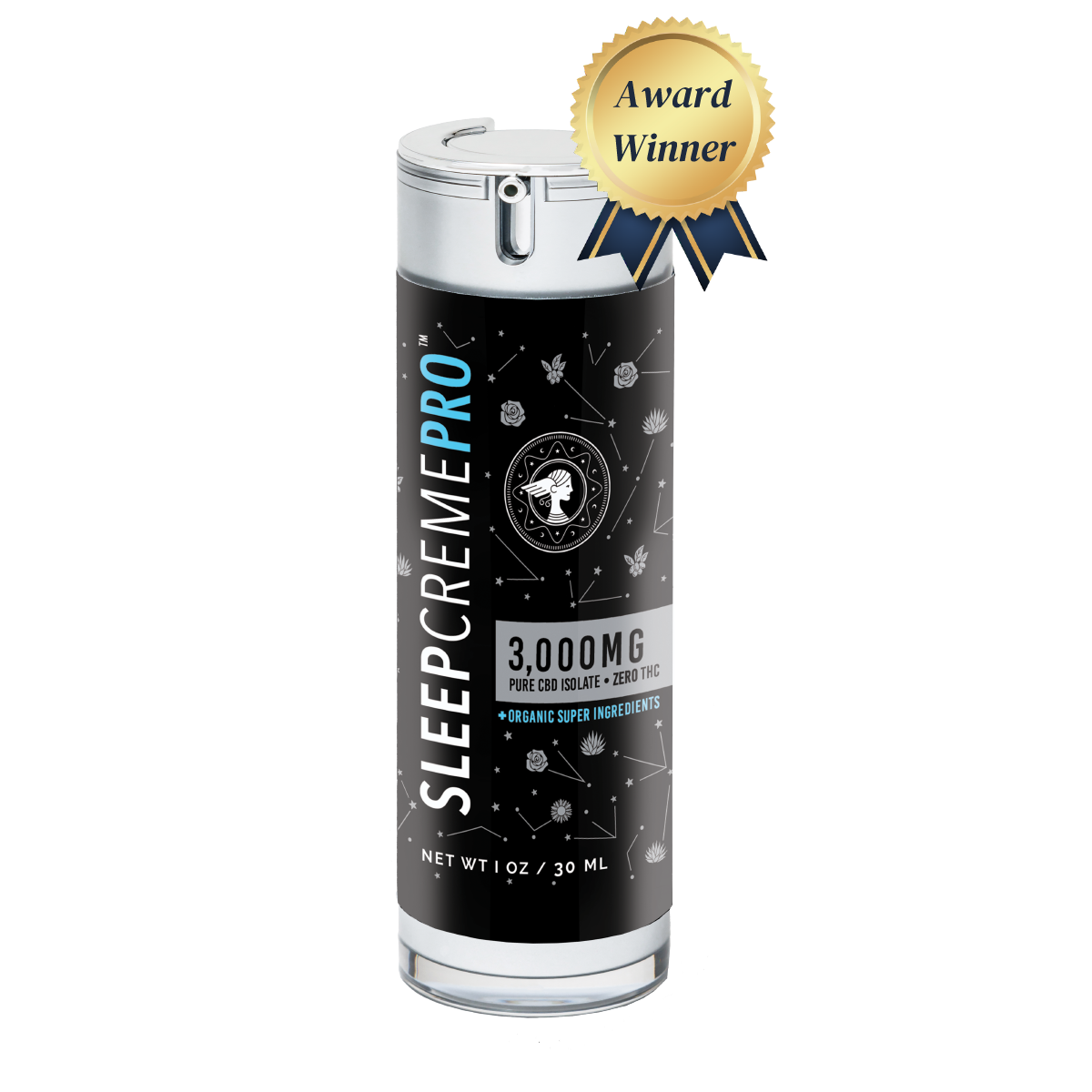

Topical CBD rarely causes sleep tolerance the way pills or THC might. So, if your cream feels less effective over time, it could be due to dosage, routines, or sleep variables, not your body building resistance.
Still, if your go-to CBD cream is not hitting like it used to, you might be wondering: is it my body, or something else entirely?
And listen, I get it. If you’re managing nerve pain, stress, or menopause-related sleep changes, and you’ve finally found something that helps, the idea of it losing its edge is... terrifying.
Let’s unpack what’s happening, why you’re probably not building tolerance, and how to keep getting the rest you deserve.
What Is Tolerance?
Tolerance happens when something that once worked well starts feeling less effective over time. In the world of sleep aids, this usually means needing a higher dose or stronger formula to get the same results. That’s what happens with melatonin, over-the-counter sleep meds, or prescription pills. The body adapts, and the calming effect gets weaker.
CBD works differently. It doesn’t push the body into sleep like a switch. Instead, it interacts with systems that help the body relax into rest on its own. And that difference matters a lot when talking about tolerance.
How the Body Responds to Nightly CBD Cream Use

Topical CBD does not enter the bloodstream in the same way pills or gummies do. It works closer to the surface through the skin and local cannabinoid receptors. This creates a more targeted effect, especially when applied to pulse points like the neck, chest, or wrists.
No Direct Activation of Psychoactive Receptors
Topical CBD made with isolate does not activate the CB1 receptors associated with psychoactive effects. This matters because classic tolerance often involves those exact pathways. The cream is not forcing sedation. It supports the body's own ability to relax into sleep naturally.
CBD and the Parasympathetic Nervous System
The body operates in two primary modes: active and restful. Topical CBD supports the restful side known as the parasympathetic system. This system helps muscles release tension, lowers heart rate, and calms the mind. The cream signals safety and ease without pushing the body into sleep unnaturally.
Sleep Benefits May Build Over Time, Not Decline
Instead of needing more cream to achieve the same effect, some people notice the opposite. The body may become more responsive as the nervous system adjusts. This response reflects a steady recognition of the routine that helps guide the body into a restful state more easily.
Absorption Can Vary Based on Application
The location of the application can influence the experience. Areas such as the inner forearms or feet may absorb differently. If the cream feels less effective, the change may come from how or where it is being used rather than a shift inside the body.
Why Your CBD Sleep Cream Might Seem to Stop Working

If the sleep support you once counted on starts to fade, it can be frustrating. The cream worked, then something shifted. It can feel like tolerance, but that’s not always the case. Several other factors may be at play, and most of them have more to do with outside variables than with CBD itself.
Stress and Hormonal Shifts Affect Sleep Independently
Increased stress, hormonal changes, or even seasonal shifts can affect sleep quality. If your body is under a new kind of pressure, the same amount of CBD may not deliver the same sense of ease. This is especially true for adults navigating perimenopause, nerve discomfort, or new sources of anxiety.
Neuropathy or Pain Flare-Ups Can Override Effects
If discomfort has increased, the cream may not feel as supportive. This does not mean the CBD has stopped working. It may mean the body is simply dealing with a stronger signal. This can create the impression that the product lost its strength, when in reality, the baseline discomfort has changed.
Inconsistency in Application Can Skew Results
Applying the cream to different spots each night can change how it absorbs. Skin thickness, circulation, and local sensitivity all play a role. A switch from wrists to shoulders, or vice versa, may influence how the body responds.
Sleep Rituals Shape Results
What surrounds the cream matters. If your nightly routine shifted, the experience may change too. The cream works best as part of a larger rhythm. Without that rhythm, even the most effective product can feel off.
Product Storage and Age Can Reduce Potency
Over time, exposure to light, air, or heat can break down active ingredients. If the jar has been sitting open too long or kept in a warm drawer, the potency may not be what it once was. This is not a tolerance issue. It is a quality issue.
Using Additional Sleep Aids May Mask or Distort Perception
If other sleep supports like melatonin or antihistamines were added or removed, the change might be misattributed to the CBD. The effect of CBD isolate is subtle and supportive. Comparing it to something sedating can create confusion about what is or is not working.
How to Know If It’s Tolerance (or Something Else)

It can be tempting to assume the body has built a tolerance when a familiar product starts feeling different. True tolerance with topical CBD is uncommon, but the experience may still shift for other reasons. Here are a few signs to help sort out what is actually going on.
- The cream stopped helping after a life or health change. If sleep worsened around the same time as a spike in stress, a new medication, or a shift in hormone levels, the root cause may be situational rather than related to CBD.
- Relief returns after a short break. Skipping a few nights and then noticing improved results may indicate a perception shift or dosage adjustment issue, not classic tolerance.
- Changing application spots brings different outcomes. If moving from wrists to feet makes a noticeable difference, the issue could be tied to absorption or circulation rather than the body adapting.
- The scent or ritual no longer feels calming. If the routine no longer signals rest, it may be time to refresh the bedtime experience. The cream works best in tandem with familiar, calming cues.
- No changes in dose, routine, or product. If everything stayed the same and the results slowly faded, that could point to a subtle tolerance pattern or a drop in product potency.
- Other areas of life feel more chaotic. Sleep depends on much more than a single product. If evenings feel rushed or worries have grown louder, those factors may be disrupting rest more than the CBD cream can manage alone.
- Support returns with a stronger formula. If moving from a lower-strength cream to something more concentrated restores the results, the original product may not have been delivering the needed amount for current conditions.
Tips to Maintain CBD’s Effectiveness for Sleep
Topical CBD can remain a dependable part of your nighttime routine with a few thoughtful adjustments. If sleep support starts feeling less noticeable, it might not be about needing more cream. Sometimes the solution lies in how it is used, when it is used, and what else is happening around it.
Use CBD as Part of a Consistent Ritual
Sleep is not automatic. The body responds to rhythm and repetition. Applying the cream at the same time, in the same way, helps train the nervous system to expect rest. Pair it with something calming like soft music, light stretching, or focused breathing. Over time, this builds a deeper connection between the product and the outcome.
Apply to the Right Areas
Pulse points such as the wrists, inner arms, feet, and chest tend to absorb CBD more efficiently. Avoid switching locations randomly. If one area no longer feels effective, try rotating between two or three specific spots to see what creates the most consistent support.
Adjust the Amount Thoughtfully
More cream is not always better. If results have faded, try a small increase in the amount used, especially if the current dose has remained unchanged for weeks. On the other hand, some notice stronger effects with a slightly smaller dose. Pay attention to how the body responds before making big changes.
Take a Short Break if Needed
If sleep support feels flat, taking a short pause from CBD can help recalibrate your system. A few nights without application may be enough to refresh sensitivity and restore the calming effect.
Evaluate for Storage or Freshness Issues
Check the age of the product and how it has been stored. Exposure to heat or air can weaken the formula. A new jar or freshly opened cream may produce better results than something left open for too long.
Avoid Combining With Stronger Sleep Aids
Adding melatonin or other sedatives can interfere with how the CBD cream feels. Instead of stacking supports, focus on building a steady, reliable ritual using one product and reinforcing it with calming lifestyle habits.
Reassess Dosage Needs Over Time
Sleep conditions change. What worked last month might need more support now, especially if discomfort levels have shifted. Consider moving to a higher-strength formula like SleepCreme PRO, which offers deeper potency while maintaining the same gentle delivery through the skin.
So, Is It Tolerance or Your Routine Needing a Tune-Up?
Sleep is a moving target. What helps today may feel different tomorrow, not because the body is broken or resistant, but because life changes. True tolerance to topical CBD is rare. What feels like a drop in support is often the result of small shifts in stress, routines, or even how and where the cream is used.
CBD works with the body, not against it. It supports rather than sedates. That means it relies on rhythm, consistency, and the right environment. When those pieces fall into place, the effects tend to return. And when they do not, the answer is rarely to give up. Sometimes it is simply time to reset the ritual.
Want to give your sleep routine a gentle reboot? Try SleepCreme PRO, a CBD that works through your skin, not your stomach.