
What if the secret to better sleep during menopause is not in a pill, but a ritual?
Hear me out.
CBD is not a miracle. It is a calming partner in your bedtime routine. And when applied topically, it becomes a soothing signal to your body that sleep is coming.
Let’s be honest. Menopause has a way of turning even the most peaceful bedtime into a battleground. One night, it’s night sweats. Another it’s anxiety that won’t quit. And sometimes it is both, plus a restless leg or two for good measure.
Let’s explore how people are using CBD to reclaim rest during menopause, and why the best results don’t come from dosing harder, but from winding down smarter.
How Menopause Wrecks Sleep

Menopause is a transition that unfolds over time, bringing with it a cascade of physical and emotional changes. This shift begins in perimenopause and can last well into the postmenopausal years.
Hormone Fluctuations Change Everything
Estrogen and progesterone don’t stay steady through menopause. These shifts can make it harder to stay cool at night and can increase sensitivity to stress. Sleep becomes lighter, more interrupted, and harder to recover once it's broken.
Night Sweats and Hot Flashes Interrupt the Cycle
The body becomes prone to temperature swings. This internal heat often builds up around bedtime and can wake you up drenched or anxious. The room may be perfectly calm, but your skin says otherwise. Trying to fall back asleep afterward feels like starting from scratch.
Anxiety Moves In Uninvited
Hormonal changes affect the body and also shift emotional balance. You might find yourself lying in bed, mind buzzing with thoughts, unable to quiet the mental noise. Even after physically tiring days, the mind may stay alert.
Restless Legs, Aches, and Body Discomfort
Sleep isn't only about the mind. The body needs to feel safe and relaxed. For many, menopause brings sensations like tightness in the legs or unexpected nerve discomfort. These feelings build tension that makes it harder to settle.
Sleep Becomes Lighter and Shorter
Deep sleep becomes harder to reach. Nights feel like shallow drifting instead of full recovery. The result is waking up earlier than planned, still tired, still foggy, still needing more rest. That kind of exhaustion stacks up over time.
What CBD Might Do About Menopausal Sleep
Menopause affects sleep in ways that go beyond what simple fixes can handle. This is where CBD has started to gain attention.
Here is why:

Calms the Nervous System
CBD interacts with the body’s endocannabinoid system, which plays a role in how the body regulates stress, temperature, and sleep. During menopause, that system can become overactive. CBD may support a return to balance by helping the nervous system quiet down. This can create the conditions where sleep becomes easier to enter.
Eases Bedtime Anxiety
Menopause can bring a kind of mental restlessness that builds up around bedtime. Thoughts circle. Muscles stay tight. Breathing stays shallow. CBD may help shift the body into a more relaxed state. For some, this brings a quieter mind. For others, it creates the physical release that signals it’s time to rest.
Supports Deeper Sleep Without Sedation
Many sleep aids work by shutting the system down quickly. CBD works differently. It does not force sleep. Instead, it supports the body’s ability to move into deeper sleep naturally. There is no sedated fog in the morning. No mental hangover. That clarity the next day matters more than most people realize.
May Reduce Cortisol Buildup
Cortisol is the body’s stress hormone. Levels that remain high at night can block the brain’s ability to wind down. Studies suggest CBD may lower cortisol levels, especially when used consistently. For those in menopause, where stress sensitivity is already higher, that support becomes valuable.
Not a Cure, but a Companion
CBD is not designed to replace hormone therapy or treat the root causes of menopause. What it offers is support. It can be part of a nightly rhythm that focuses less on control and more on calm. When paired with things like warm tea, slow breathing, or gentle massage, it becomes part of a ritual that invites sleep to return.
Best CBD Formats for Menopausal Sleep?
CBD is available in many forms, but not all of them make sense when sleep is the goal, especially during menopause. What matters is how the body absorbs it, how quickly it acts, and how gently it fits into the routine.
The right format depends on the body’s needs, the timing, and the overall experience a person wants to have before bed.
Topical CBD
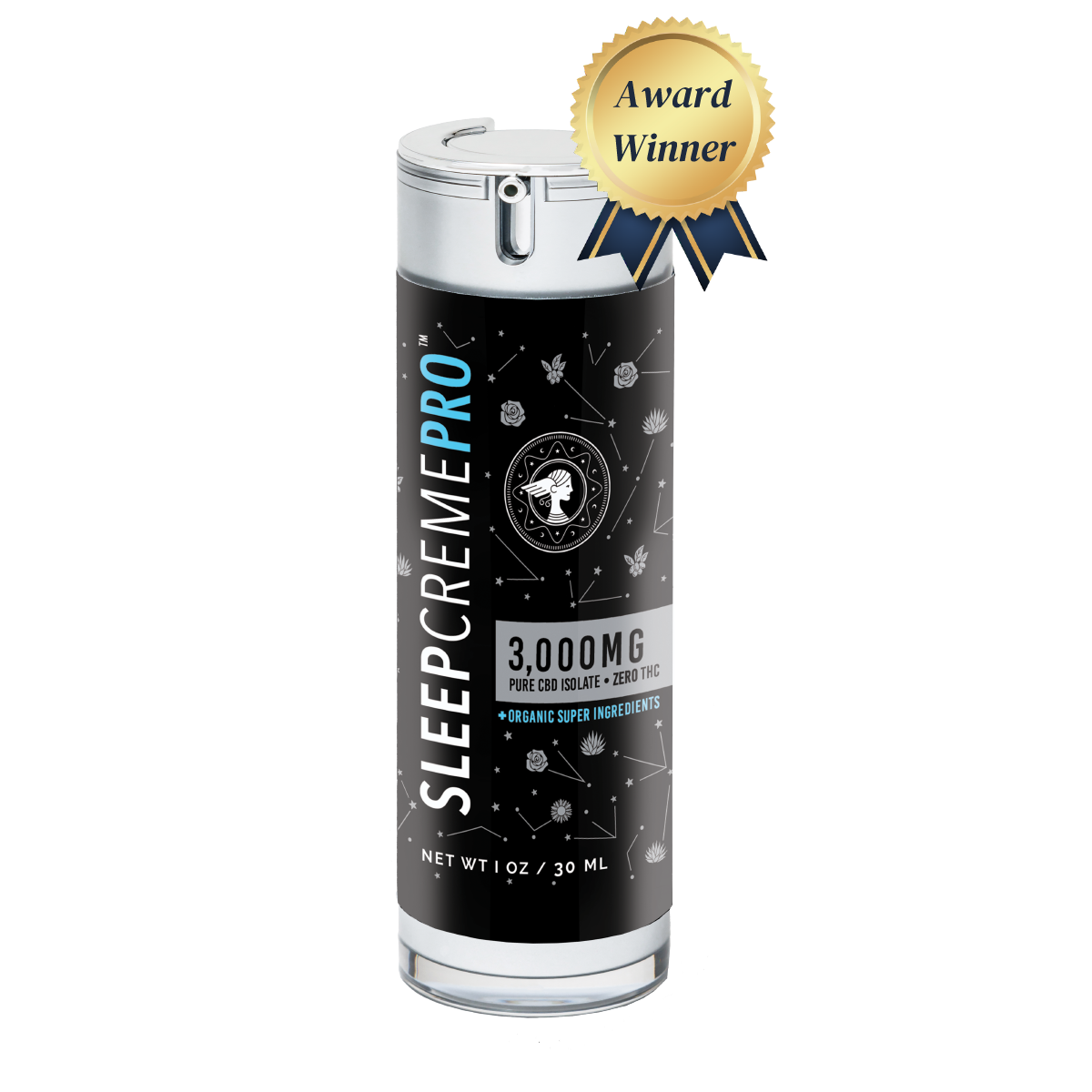
Balms, lotions, and creams are applied directly to the skin, often at pulse points like the wrists, neck, or chest. They absorb through the skin without going through the digestive system, making them a gentle and fast-acting option. This format supports localized relief and offers a sensory experience that can help signal the body to relax.
Oils or Tinctures
Oils are typically taken under the tongue, where they are absorbed into the bloodstream. They tend to work faster than edibles and offer flexible dosing. This format may appeal to those looking for full-body support, although some may find the taste unpleasant or the experience less ritualistic.
Gummies
These are a convenient and familiar option, though they pass through the digestive system. As a result, they may take longer to work. Some contain added ingredients like sugar or melatonin, which may not be ideal for those sensitive to hormonal or dietary triggers.
Capsules
CBD capsules offer precise dosing and are easy to take, especially for those who prefer to avoid flavored oils or chewable forms. However, they also rely on digestion and do not offer any sensory or ritual-based benefits, which can be important for bedtime routines.
Patches
CBD patches deliver a slow, steady release of CBD over time through the skin. They are discreet and long-lasting, but may feel impersonal or clinical compared to creams or oils that involve touch and scent.
How to Build a CBD Bedtime Routine During Menopause

The goal of a bedtime routine is to slow the system, soothe the senses, and signal the body that sleep is near. CBD fits into this rhythm as both a physical and emotional cue. When used consistently, it becomes part of the body’s nightly pattern.
Try these steps to create a simple, effective routine:
- Choose a consistent bedtime. Going to bed at the same time each night helps regulate the body’s natural sleep-wake cycle. Even small shifts in timing can impact how deeply you sleep.
- Dim the lights an hour before sleep. Lower light signals the brain to start producing melatonin naturally. This shift in environment helps ease the mind into a quieter state.
- Apply topical CBD to pulse points. Use a pea-sized amount on your wrists, temples, neck, or chest. These areas help distribute the calming effects and also create a relaxing scent and touch experience.
- Add breathwork or gentle stretching. Pair CBD application with five to ten minutes of slow movement or focused breathing. This helps transition both body and mind from tension to rest.
- Sip a warm, non-caffeinated tea. Herbal blends like chamomile, valerian, or lemon balm can support the calming process. Sipping slowly encourages stillness.
- Limit screen time and stimulation. Put phones, tablets, and bright lights aside. This quiet time is when the nervous system resets. Replace scrolling with light reading or soft music.
- Use soft textures and cool sheets. Menopausal skin can be sensitive to heat and friction. Cooling bedding and breathable sleepwear can prevent night sweats from interrupting rest.
- Repeat the routine, even on restless nights. A good routine is not about perfect results. It is about creating a familiar pattern that supports sleep even when symptoms fluctuate.
Concerns About CBD & Menopause Sleep
CBD invites interest, but it can also bring hesitation. During menopause, sleep struggles are often unpredictable. That makes every new decision feel important. If you have questions about using CBD, you're not wrong for asking them.
Safety and Sensitivity
Your body might be more reactive than it used to be. Menopause changes how things feel, inside and out. You may already be using hormone therapy or something for anxiety or mood. It’s fair to pause before adding anything else.
What helps is using a product that doesn’t go through the digestive system, doesn’t alter your state of mind, and doesn’t try to overpower your natural rhythm.
Consistency and Results
No one wants to build a routine only to feel like it fails the moment a night doesn’t go well. Some nights are easier than others. That doesn’t mean what you’re doing is not working. Sleep routines are not measured in perfect nights, but built through repetition. What you do consistently becomes what your body begins to expect.
Social Stigma and Misunderstanding
You may hesitate to share what you’re trying. There’s still confusion around CBD. That’s understandable. You may wonder how others will respond. What matters is how you feel, how you sleep, and how your choices support your health, not how others interpret them.
Turn Bedtime Into a Ritual, Not a Battle
You already know what it feels like to try tip after tip, product after product, only to find yourself wide awake at 3 a.m. again. That kind of struggle wears you down. It makes rest feel distant, like something you have to earn instead of something your body already knows how to do.
Sleep does not come from force. It comes from creating small moments that speak to the nervous system, not with pressure, but with comfort. That’s what a bedtime ritual offers. Each night you repeat the steps, you remind your body that this time is different.
CBD can be one part of that rhythm. Not as a solution on its own, but as a companion to the habits that help you feel calm. When it’s used as part of a ritual, it becomes a signal for sleep.
Want to try the CBD that’s helped thousands ditch melatonin and finally sleep through hot flashes?