
Chronic pain and sleep apnea are deeply connected. Each one makes the other worse. Poor sleep increases inflammation, while pain keeps you from getting restorative rest.
That means the very thing that’s supposed to help you heal (sleep) is being hijacked by the pain that never lets up and the breathing interruptions you can’t control.
This is a frustrating reality for many adults navigating both chronic pain and sleep apnea. You already know how draining it is to wake up more tired than when you went to bed, how pain sharpens after a night of bad sleep, and how anxiety creeps in the moment your head hits the pillow.
What doesn’t get talked about enough is why these conditions make each other worse, and what to do when standard treatments are not cutting it. That’s what we’re digging into here.
How Chronic Pain and Sleep Apnea Overlap
The relationship between the two is deeper than that. Pain and sleep apnea create a cycle that’s hard to break. Let’s take a closer look at how that happens.
Apnea Interrupts Sleep
When your breathing stops during sleep, your body kicks into emergency mode. This inflammation is a biological cascade that primes your nerves to become more sensitive to pain.
Even mild cases of obstructive sleep apnea (OSA) can lead to these oxygen dips, and over time, they amplify how the nervous system responds to discomfort. That means the more disrupted your sleep is, the more intensely your body may register everyday aches, or turn background pain into something sharp and persistent.
Pain Disrupts Sleep Architecture
Chronic pain fragments the deeper stages of sleep your body needs for repair. It pushes you out of restorative REM and deep sleep, leaving you in the light, fragile stages where you’re more easily disturbed by your own apnea episodes.
So instead of your body getting the downtime it needs to recover, it stays on high alert. That’s why even a full night’s sleep can leave you feeling like you’ve been hit by a truck.

Hypoxia Primes the Nervous System for More Pain
There’s growing evidence that intermittent hypoxia, the low-oxygen state caused by sleep apnea, actually rewires how pain is processed. Animal studies show that repeated drops in oxygen can sensitize pain receptors and cause the body to interpret normal stimuli as painful.
This means that even if you’re doing everything right during the day, your nighttime oxygen levels could be sabotaging your progress by firing up pain pathways while you sleep.
The Cycle Is Emotional
The pain-apnea cycle chips away at your mental health. Constant discomfort and poor sleep feed anxiety, irritability, and a sense of hopelessness, especially when your concerns are brushed off by professionals who don’t see the full picture.
And when anxiety rises, sleep quality drops even more.
Why Conventional Treatments Often Fall Short

If you’ve tried the usual recommendations, CPAP for your sleep apnea, prescriptions for your pain, you know the drill. These are the gold standards, the go-tos. And for some folks, they help.
For many, they fall short, not because the science is wrong, but because the experience of living with both conditions is more complicated than a clinical guideline.
CPAP Doesn’t Solve Pain
CPAP therapy is the frontline treatment for sleep apnea. It keeps the airway open, reduces apnea episodes, and in some cases, even improves pain by improving sleep quality. But it doesn’t touch the root of chronic pain itself.
Some folks even notice new pain since starting CPAP. That means the treatment is incomplete.
Pain Meds Can Make Sleep Worse
Now let’s talk about the flip side. The painkillers. Whether it’s over-the-counter or prescription, pain meds might help you fall asleep, but they don’t necessarily help you stay asleep. Some disrupt REM. Others make you groggy the next day, or worse, interfere with your breathing if you’re already dealing with apnea.
And if you’re juggling multiple medications for pain, anxiety, blood pressure, and beyond, that cocktail can make your body feel like a science experiment.
People Feel Dismissed
This is the part that gets under my skin. Too often, people are treated like they’re exaggerating or making connections that are not clinically proven when they talk about how their pain and sleep issues interact. But you don’t need a white coat to know what’s happening in your own body.
Natural Solutions for Both Pain and Sleep Disruption
There are natural ways to support the body when discomfort and sleep apnea start to overlap. These approaches are not meant to replace medical treatment, but they can help reduce discomfort, quiet the nervous system, and make the transition to sleep more manageable.
CBD Helps Calm the Body and Support Sleep

CBD works with the body’s endocannabinoid system. This system plays a role in how we process pain, inflammation, and stress. For people who struggle with both physical discomfort and disrupted sleep, CBD can help reduce the tension that keeps the body from settling at night.
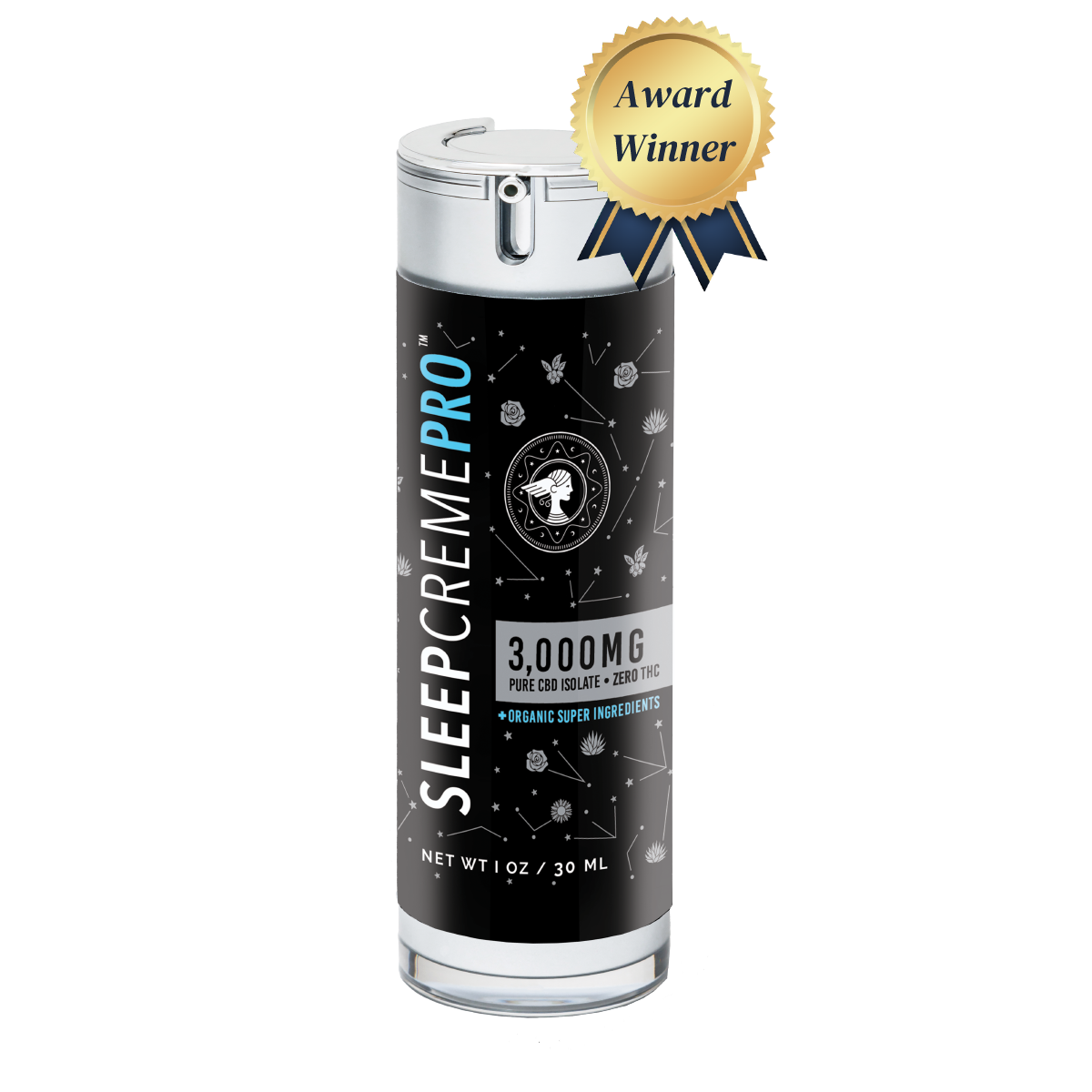
The CBD isolate (used in SleepCreme) does not cause drowsiness or affect breathing. Instead, it supports the nervous system in a way that encourages calm. Some people use it to manage neuropathy, joint soreness, or that buzzing feeling in the body that makes it hard to relax.
Topical CBD adds another layer of relief. When applied to specific areas, it interacts directly with local nerves and tissues. Many people apply it to their feet, neck, jaw, or wrists before bed to help ease the body into a state that feels more ready for rest.
Gentle Breathing and Better Sleep Positioning
Breathing exercises help lower heart rate, reduce stress, and create a more relaxed internal state. A few minutes of slow, nasal breathing before bed can reduce the sense of pressure many people feel when trying to fall asleep.
Sleep positioning also matters. Sleeping on your side or with your upper body slightly elevated can improve airflow and take pressure off areas that are already sensitive or sore. A better position can reduce the frequency of apnea events and help with overall comfort.
Stretching and Light Movement Before Bed
Pain often gets worse at night when the body is still for long periods. Short mobility routines or gentle stretching before bed can release tension and reduce nerve irritation. The goal is not to break a sweat but to loosen up.
Even five minutes of simple movement can improve circulation and give the nervous system a signal that it’s safe to rest. Some people apply CBD afterward to extend the calming effect.
Nutrition Plays a Role in Inflammation and Rest
Certain foods increase inflammation and can make pain and sleep problems worse. Reducing sugar, alcohol, and highly processed foods in the evening may help with both. Some people notice fewer flare-ups by changing their nighttime meals.
Nutrients like magnesium and omega-3s support pain regulation and nervous system health. Herbal teas like chamomile or turmeric blends may also help calm the body before sleep.
A Repeated Routine Helps the Body Unwind
A consistent wind-down routine helps prepare the body for sleep. Soft lighting, low stimulation, and repeated calming actions tell the brain that the day is done. This can be as simple as applying CBD, doing light stretching, and taking a few deep breaths.
Routine is powerful. Over time, it helps build a stronger connection between those actions and the ability to rest. Even when pain or apnea symptoms are present, a trusted routine helps the body shift into sleep more easily.
How to Build a Nightly Routine That Actually Works

Building a routine at night doesn’t have to be complicated. The goal is to create a series of small, calming steps that tell your body it’s time to rest. When you repeat them consistently, they become familiar. That familiarity helps the nervous system shift out of alert mode and into a state that’s more open to sleep.
Start About 30 Minutes Before Bed
Give yourself a buffer between the activities of the day and the act of sleeping. About 30 minutes before bed, begin to slow everything down. Turn off bright screens. Dim the lights. Keep noise levels low. This tells the brain that it’s safe to step away from stress and stimulation.
Stretch or Move Lightly
Do a few slow stretches or gentle movements. Focus on the parts of your body that tend to get tight, hips, shoulders, neck, or back. This helps reduce tension and improve circulation. It also creates a physical sense of release.
Apply CBD to Areas That Need Support
After stretching, apply CBD to the places that feel uncomfortable or overactive. Common areas include the neck, jaw, lower back, wrists, or the bottoms of the feet. These points are sensitive and carry a lot of nerve endings. When topical CBD is applied here, it helps ease localized tension and gives the body a signal to calm down.
Use Breath to Slow Everything Down
Spend a few minutes breathing slowly through your nose. Inhale for four counts. Exhale for six. Let your shoulders drop. Let your jaw unclench. You don’t need a full meditation..
Keep It Simple and Repeatable
Don’t overload your routine with too many steps. Three or four is enough. Stretch. Apply CBD. Breathe. Dim the lights. That’s a solid base. What matters most is doing it the same way each night. Repetition builds trust in the body. Trust leads to better rest.
Who Should Try CBD, and Who Might Not Benefit
CBD is not for everyone. But for many people managing physical discomfort and sleep disruption, it can offer support. The key is knowing whether it fits your needs, your body, and your goals for better rest.
CBD may be a good fit if you:
-
Deal with joint discomfort, nerve tingling, or muscle tightness that flares up at night
-
Struggle with bedtime anxiety or restlessness that keeps you from settling down
-
Want a non-pill option that doesn’t leave you groggy or mess with your digestion
-
Avoid melatonin or other sleep aids that interfere with your rhythm
-
Use CPAP but still experience soreness around the neck, jaw, or face
-
Prefer a wind-down routine that feels natural, not clinical
-
Want localized relief without affecting your whole system
CBD might not be the right tool if you:
-
Expect it to replace medical treatment for sleep apnea
-
Want something that makes you fall asleep instantly
-
Have open skin conditions or allergies to topical ingredients
-
Tried CBD in the past with no response, even at proper dosage
-
Need sedation-level help due to severe insomnia or acute pain crises
-
Have concerns about interactions with medications (though topical use is generally very low-risk)
You Deserve Sleep That Doesn’t Hurt
Living with discomfort and sleep disruption night after night takes a mental and physical toll. It wears on your sense of hope and makes rest feel like something that belongs to other people. But better sleep is not out of reach. It only asks for the right kind of support.
That support doesn’t always come in the form of a prescription or machine. Sometimes it looks like a nightly routine that actually works. Sometimes it’s a shift in how you treat your body before bed.
Sometimes it’s something simple, like applying a calming cream to your neck, breathing deeply, and giving yourself permission to slow down.
Ready for Better Sleep Without Relying on Pills
Try SleepCreme.
Chronic discomfort and sleep apnea can turn nights into something you dread. But you don’t have to keep reaching for another pill or settling for broken sleep.
We made SleepCreme PRO to give you relief without the side effects of prescription meds. It’s fast-absorbing, drug-free, melatonin-free, and backed by a simple promise. If it doesn’t help, you get your money back.