Does Your Mattress Really Matter?
External vs. Internal Factors That Truly Shape a Good Night’s Sleep
If you’re struggling to get a good night’s sleep, the first place most people look is the bedroom.
The mattress.
The pillow.
The blanket.
The thermostat.
The lighting.
The sound machine.
The blackout curtains.
We’ve been conditioned to believe that better sleep comes from better products.
And while the sleep environment absolutely matters, research shows that sleep quality isn’t created by one external upgrade — it’s shaped by a combination of external conditions and internal regulation working together.
So what truly matters more:
- the sleep environment around you
or - the biological and mental state within you?
The answer isn’t either/or.
But they don’t carry equal weight.
Let’s look at the science behind both — and where real, sustainable sleep quality actually begins.
External Sleep Factors: Your Physical Sleep Environment
External sleep factors are the physical conditions in your bedroom. They influence comfort, support, and sensory experience — but they don’t control your nervous system, stress response, or sleep cycles.
They support sleep.
They don’t create it.
Mattress Quality and Sleep Comfort
A supportive mattress plays a meaningful role in physical comfort and can influence how well your body rests through the night. Research shows that mattress quality can affect:
- pressure point relief
- spinal alignment
- physical discomfort
- movement disturbance
- pain-related sleep interruptions
An old, uneven, or unsupportive mattress can absolutely disrupt sleep by increasing tossing and turning and causing physical discomfort. A well-designed mattress can improve comfort and reduce physical stress on the body.
But research also shows that a mattress alone does not determine overall sleep quality.
A mattress supports the body.
It does not regulate the nervous system.
It does not calm the mind.
It does not manage stress hormones.
It does not reset circadian rhythm.
In other words:
A poor mattress can disrupt sleep.
A good mattress can support sleep.
But a perfect mattress does not guarantee deep, restorative sleep.
Room Temperature, Light, and Noise
The sleep environment affects how easily the body transitions into rest.
Room temperature influences core body cooling, which plays a role in sleep onset.
Light exposure affects circadian rhythm and melatonin production.
Noise can fragment sleep cycles and interrupt deeper stages of sleep.
These elements matter — but they function as conditions, not controllers.
They create the setting for sleep to happen.
They don’t initiate the process.
Ambience and Sensory Comfort
Lighting, scent, sound, and overall atmosphere influence how safe and calm your nervous system feels.
Soft light.
Quiet spaces.
Familiar routines.
Predictable bedtime rituals.
These sensory cues help signal the body that it’s time to rest — but only if the internal system is ready to downshift.
Ambience supports the transition into rest.
It doesn’t create the transition on its own.
Internal Sleep Factors: Where Sleep Actually Begins
Sleep does not start in the bed.
It starts in the nervous system.
Mental State, Stress, and Emotional Load
Stress, anxiety, and emotional tension are some of the strongest disruptors of sleep quality.
An overstimulated mind:
- increases cortisol
- delays sleep onset
- fragments sleep cycles
- disrupts deep sleep stages
- prevents nervous system downshifting
Even in a perfectly designed sleep environment, a dysregulated nervous system struggles to rest.
This is why people can optimize their bedroom and still lie awake.
Sleep requires the nervous system to move from alert mode into rest mode.
From engagement into safety.
From stimulation into stillness.
Without that shift, the body stays on guard — even in the dark.
Blue Light, Screen Use, and Evening Stimulation
Evening screen use affects sleep in two ways.
First, blue light exposure can interfere with melatonin production, which disrupts the body’s natural sleep signals.
Second — and often more impactful — is cognitive and emotional stimulation.
Scrolling activates:
- attention
- comparison
- emotional response
- dopamine
- mental engagement
Sleep isn’t just about darkness.
It’s about mental disengagement.
A calm mind is just as important as a dark room.
Circadian Rhythm and Sleep Timing
Your circadian rhythm — your internal biological clock — regulates when your body feels alert and when it feels sleepy.
Irregular sleep schedules, inconsistent wake times, late nights, and disrupted routines can misalign this rhythm, making sleep harder even when the body is tired.
Sleep thrives on rhythm.
Consistency matters more than perfection.
When your internal clock is aligned, the body naturally moves toward rest.
When it’s disrupted, sleep becomes forced instead of natural.
Health, Metabolism, and Internal Balance
Sleep quality is deeply connected to internal health systems, including:
- metabolic balance
- hormonal regulation
- inflammation levels
- nervous system function
- stress hormone regulation
Sleep and health influence each other in both directions. Poor sleep affects health, and poor health affects sleep.
This is why sleep is never isolated from the rest of the body — it’s part of a larger system.
The Real Sleep Hierarchy
Research shows that sleep quality is shaped in this general order:
- Nervous system regulation
- Mental calm and emotional state
- Circadian rhythm alignment
- Lifestyle consistency and routine
- Internal health factors
- Physical comfort
- Sleep environment and tools
This explains why people can buy everything for their bedroom and still struggle to sleep.
External tools support sleep.
Internal regulation creates sleep.
So… Does the Mattress Really Matter?
Yes — for comfort, alignment, and physical support.
No — as a primary solution for sleep quality.
A mattress matters for the body.
Sleep begins in the nervous system.
The mattress is part of the system — not the system itself.
From Sleep Products to Sleep Systems
Better sleep doesn’t come from chasing products.
It comes from building systems.
A real sleep system includes:
- consistent sleep routines
- nervous system calming
- mental decompression
- reduced stimulation
- predictable bedtime rituals
- circadian rhythm support
- internal regulation
- supportive environment
Sleep becomes something the body expects — not something you fight for.
This is the shift modern sleep science points toward:
Sleep is built through rhythm, not rescue.
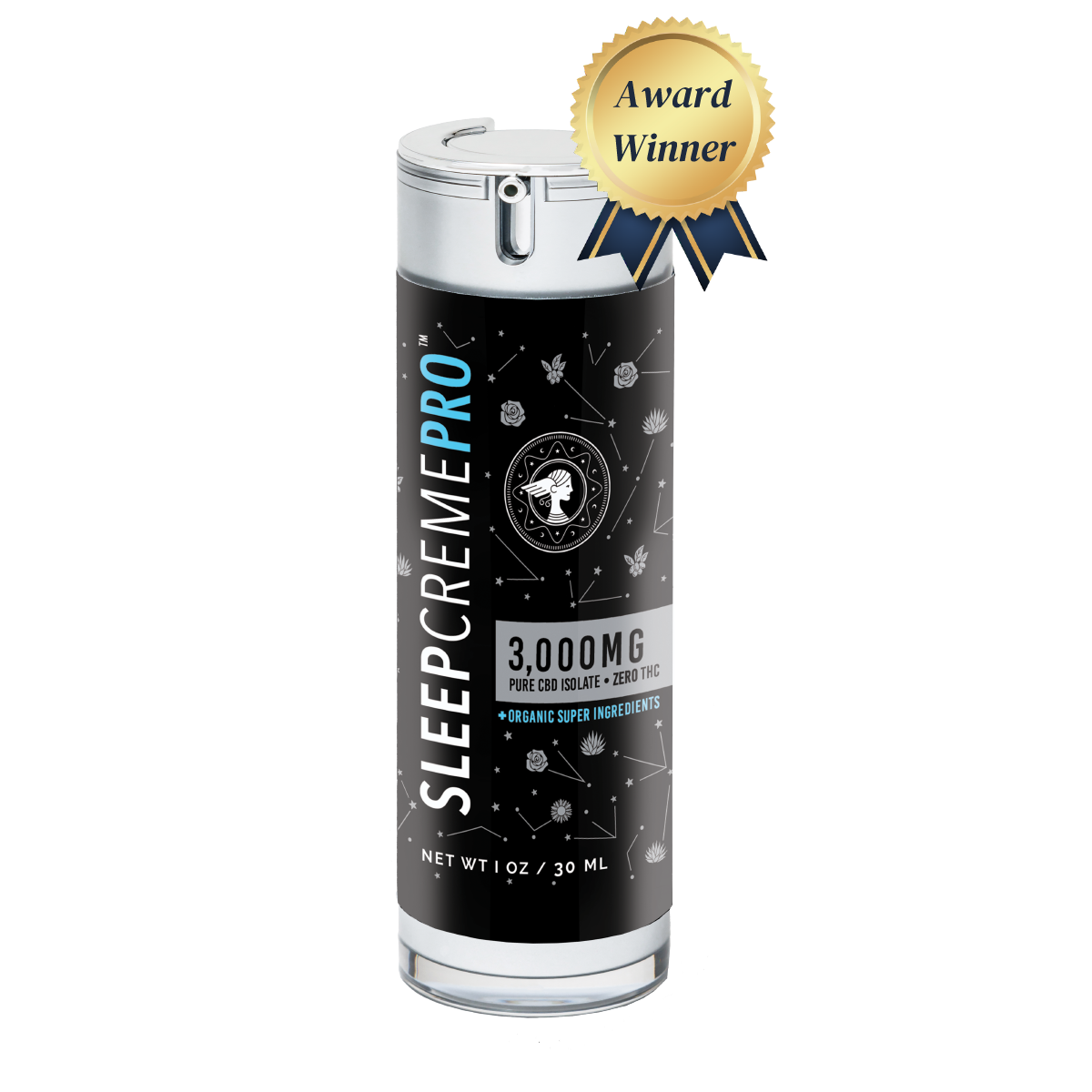
Where SleepCreme Fits
SleepCreme isn’t about forcing sleep.
It’s about supporting the transition into rest.
As part of a consistent nighttime routine, SleepCreme becomes a sensory cue — a ritual that signals calm, consistency, and safety to the nervous system.
Not as a cure.
Not as a shortcut.
Not as a promise.
But as part of a system that supports sleep health through rhythm, routine, and regulation.
Final Thought
You don’t sleep better because your mattress is expensive.
You sleep better because your body feels safe enough to rest.
You don’t sleep better because your room is perfect.
You sleep better because your nervous system is calm.
External factors support sleep.
Internal regulation creates it.
Real sleep is built — not bought.
Better sleep isn’t built in one night — it’s built through rhythm, routine, and consistency.
If you’re creating a healthier nighttime routine, SleepCreme can be part of that ritual — supporting calm, relaxation, and sensory stillness as part of your wind-down process.
Build the system.
Create the rhythm.
Let sleep become natural again.
👉 Learn more at SleepCreme.com