Embracing Nature in a High-Tech Sleep World
What the Latest AI Sleep Research Reveals
Estimated Reading Time: 9 minutes
When it comes to better sleep, the world is moving fast. Over the past three months, sleep scientists at institutions like Mayo Clinic, Mount Sinai, Mass General Brigham, and the American Academy of Sleep Medicine (AASM) have released new breakthroughs using artificial intelligence to diagnose, monitor, and predict sleep-related health risks.
At the same time, millions of people are quietly turning back toward natural, organic solutions — gentler tools that work with the body’s own rhythms instead of analyzing them.
This article brings both worlds together.
You’ll discover:
- The newest AI research in sleep science (August–November 2025)
- How institutions are using AI to detect sleep apnea, analyze brain waves, and monitor sleep patterns
- What researchers say about botanicals for calming the nervous system
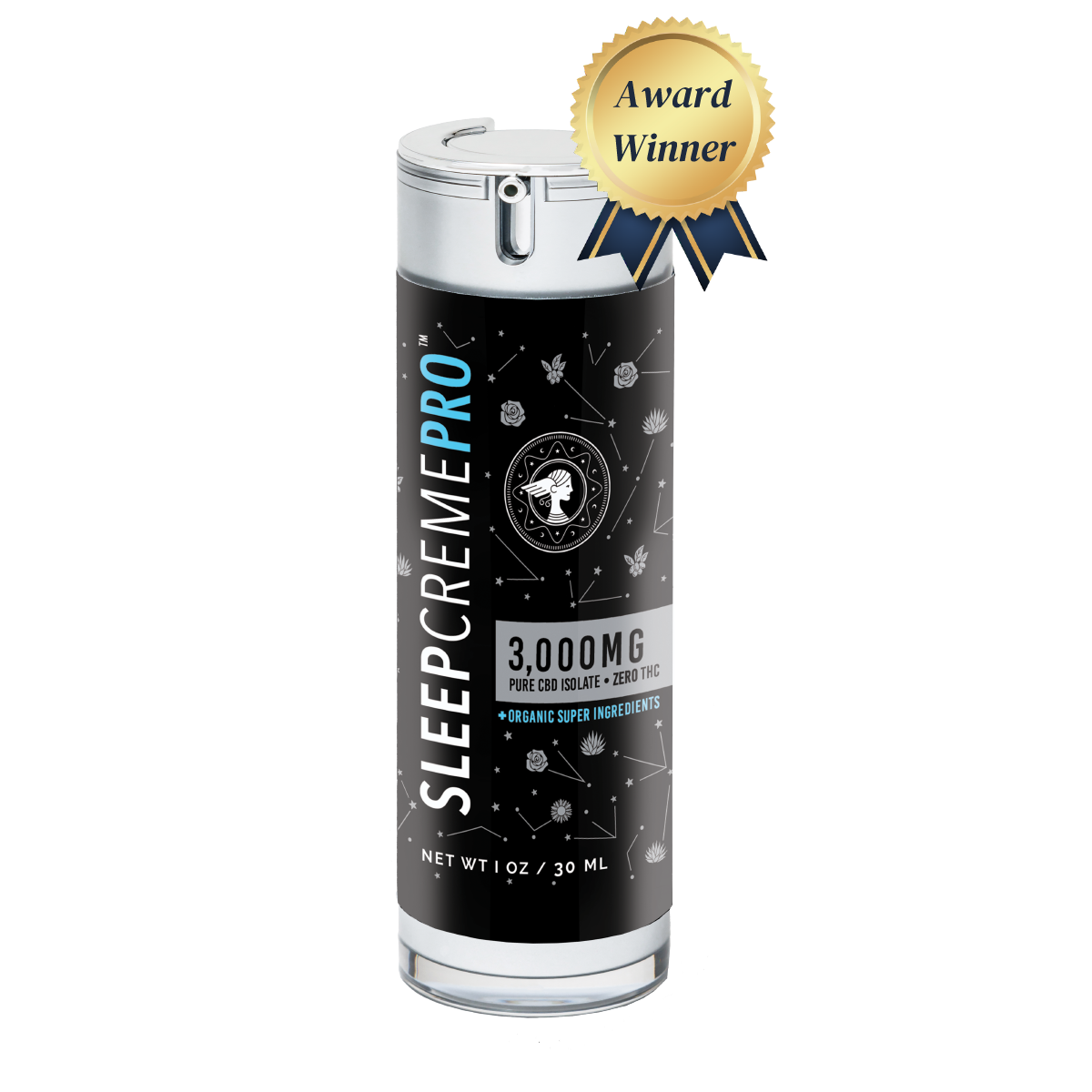
- Why a natural topical like SleepCreme complements the high-tech world by supporting the body through organic, plant-based pathways
🧠 The New Wave of AI in Sleep Science
Across the major sleep centers, AI is reshaping how clinicians understand nighttime behavior and diagnose chronic sleep disorders.
Below is a summary of the latest research findings shaping the conversation.
1. Mount Sinai Develops a Transformer-Based AI Model for Full-Night Sleep Analysis
Source: Mount Sinai Health System, September 2025
Mount Sinai researchers created a transformer-based AI model capable of analyzing 8 hours of sleep data at once — including:
- EEG (brain activity)
- EKG (cardiac activity)
- Respiratory rhythms
- Movement patterns
This model summarizes a full night of sleep and classifies sleep stages with high accuracy.
Mount Sinai notes this could dramatically reduce the time clinicians spend scoring sleep studies, allowing faster and more accurate diagnosis of disorders like:
- Sleep apnea
- Nighttime movement disorders
- REM behavior disorders
- Insomnia with neurological markers
2. Mayo Clinic Uses AI to Detect Sleep Apnea From ECG Signals
Source: Mayo Clinic News Network, November 2025
One of the most widely shared studies this month came from Mayo Clinic’s cardiology and sleep teams.
They trained an AI algorithm to detect obstructive sleep apnea using simple ECG readings — even when apnea appeared “mild” by traditional scoring.
Key findings:
- AI detected apnea patterns that clinicians often miss, especially in women, who historically go underdiagnosed.
- This could lead to earlier intervention and better cardiovascular outcomes.
This is major — because apnea is one of the most widely misdiagnosed sleep disorders in America.
3. Mass General Brigham Uses AI to Predict Cognitive Decline From Sleep EEG
Source: Mass General Brigham, October 2025
A team at MGB developed an AI model that analyzes brain-wave activity during sleep to forecast cognitive impairment years before symptoms appear.
Highlights:
- The study focused on women over 65.
- Specific EEG patterns during sleep predicted future decline with strong accuracy.
- The hope is that wearable EEG devices will allow early detection and prevention.
This research reinforces what sleep scientists have said for years:
Sleep is a window into the brain.
4. AASM Releases Position Paper on AI in Sleep Health
Source: American Academy of Sleep Medicine (AASM), August 2025
The AASM published a major statement explaining how AI is transforming sleep medicine.
Key points:
- AI can identify health risks through subtle sleep-EEG signatures.
- Sleep data may help predict conditions like dementia, neurological decline, and cardiac issues.
- AI tools will soon integrate with home sleep devices to provide personalized interventions.
5. AI-Powered Wearables Are Becoming Clinically Relevant
Source: Journal of Medical Internet Research (JMIR), September 2025
A systematic review found that AI-enhanced wearables:
- Improve recognition of sleep stages
- Track sleep patterns with medical-grade accuracy
- Help detect conditions like insomnia, apnea, and periodic limb movement
- Offer personalized behavioral recommendations
These tools are rapidly closing the gap between home monitoring and clinical diagnostics.
6. “RestAware” Introduces Non-Invasive AI Sleep Monitoring at 92% Accuracy
Source: arXiv Sleep Technology Paper, October 2025
A research team released “RestAware,” a system that uses:
- 24GHz FMCW radar
- AI-generated sleep summaries
Unlike wearables, this technology:
- Sits across the room
- Requires no contact
- Preserves privacy
- Monitors sleep postures and disruptions with 92% accuracy
This could become the next wave of consumer sleep tech.
🌿 Where High-Tech Ends and Natural Sleep Support Begins
As powerful as AI is, it does not actually soothe the nervous system, relax muscles, or ease restlessness.
This is where the world of botanicals steps in.
Why Botanicals Still Matter
Plants like lavender, rosemary, and white willow have been used for centuries to:
- Calm the mind
- Ease inflammation
- Soothe muscle tension
- Prepare the body for rest
Modern research supports this — and your SleepCreme formulas are built on these traditional strengths.
🌙 Where AI + Nature Meet: The SleepCreme Perspective
AI can:
-
Diagnose
-
Predict
-
Analyze
-
Coach
But it cannot relax the human body.
A Fresh, Organic, Botanical Solution — Made in Texas
Every SleepCreme formula is crafted with:
- Organic aloe leaf juice
- Avocado oil, jojoba oil, and rosehip oil
- Botanical extracts like rosemary and willow bark
- 2,000 to 5,000 mg of 99%+ Naturally sourced botanical isolate (no THC, no melatonin)
- Wild lavender essential oil
- Texas-fresh ingredients blended with nanotechnology for deeper absorption
SleepCreme formulas are:
- 6x more concentrated than standard topicals
- Melatonin-free
- THC-free
- Fast-absorbing and fast-acting
- 100% risk-free — money-back guaranteed
A Balanced Approach to Modern Rest
AI provides insight.
Nature provides relief.
SleepCreme offers a grounded, organic solution for:
- Restlessness
- Nighttime anxiety
- Muscle tension
- Inflammation
- Nervous-system overactivation
It pairs beautifully with the high-tech world — allowing people to use AI insights during the day and SleepCreme’s botanical calm at night.
✨ Final Thoughts
The future of sleep is hybrid.
AI is giving us better diagnostics, deeper insights, and personalized coaching.
Nature is giving us the comfort, calm, and relaxation the body still craves.
Together, they offer a more complete sleep ecosystem — and SleepCreme sits right at that intersection:
Where cutting-edge science meets organic, botanical relief.
Crafted in Texas.
Backed by nature.
Trusted by people who want real rest, without melatonin or THC.