Fall in Love with Sleep Again
Fall in Love with Sleep Again: The Science of Restful Nights and Self-Care
February is the month of love—and at SleepCreme, we believe your relationship with sleep deserves some attention, too. When sleep starts to feel like a nightly struggle, it’s easy to treat it as just another problem to solve. But what if, instead, you approached sleep as something to nurture, protect, and even fall back in love with?
This month, we’re celebrating rest with a simple invitation: save 20% on your first order with code FALLASLEEP20 and begin a gentler, more supportive relationship with sleep—one rooted in science, routine, and self-care.
Why Loving Sleep Is Loving Yourself
Sleep is not a luxury. It’s a biological necessity that affects nearly every system in your body—from brain function and mood to metabolism, immunity, and heart health. Yet many people treat sleep as negotiable, sacrificing it for work, screens, or late-night obligations.
Self-love begins with recognizing that your body needs rest to function well. When you create a consistent sleep routine, you’re sending a powerful message to yourself:
My well-being matters.
A simple wind-down ritual—reading, stretching, dimming the lights, or applying a calming topical product—signals to your brain that the day is ending. Over time, these small, repeated actions train your body to transition naturally into sleep.
The Science Behind Calm: How Sleep Support Works
Before looking at specific plants and compounds, it helps to understand what “calm” actually means in the body. Sleep depends on the nervous system shifting from a state of alertness to one of restoration.
During the day, the body is largely governed by the sympathetic nervous system, often called the “fight or flight” response. At night, healthy sleep depends on activating the parasympathetic nervous system—the “rest and digest” mode. This shift slows the heart rate, lowers cortisol, relaxes muscles, and signals the brain to release sleep-supporting hormones like melatonin.
Many natural sleep remedies work by gently encouraging this transition. Some influence neurotransmitters that regulate mood and relaxation. Others reduce inflammation, ease muscle tension, or quiet the stress response. Over time, these subtle biological cues help train the body to recognize bedtime as a safe, restorative state.

Natural Sleep Supporters and How They Work
Here are some of the most widely used natural sleep allies, along with the science behind their calming effects.
Lavender
Lavender is one of the most researched natural sleep supporters. Its scent interacts with the limbic system—the emotional center of the brain—helping reduce stress and lower heart rate. Studies have shown that lavender aromatherapy can improve sleep quality and reduce anxiety.
Magnesium
Magnesium plays a key role in relaxing muscles and calming the nervous system. It supports the function of GABA, a neurotransmitter that slows brain activity and prepares the body for sleep. Low magnesium levels have been linked to insomnia and restless sleep.
Chamomile
Chamomile contains an antioxidant called apigenin, which binds to receptors in the brain that promote sleepiness. It has long been used as a gentle, natural remedy for tension and sleeplessness.
L-Theanine
Found naturally in green tea, L-theanine promotes relaxation without causing drowsiness. It helps increase calming brain waves and may improve sleep quality by reducing nighttime anxiety.
Glycine
This amino acid helps lower body temperature, a key signal that it’s time for sleep. It may also improve sleep quality and reduce next-day fatigue.
Self-Love Through Sleep Rituals
Rituals create rhythm, and rhythm creates rest. A consistent bedtime routine tells your brain that it’s safe to power down.
Try a simple sequence:
- Dim the lights an hour before bed
- Put away screens
- Stretch or read
- Apply a calming topical product as part of your nightly routine
Over time, these actions become cues that guide your body gently toward sleep.
Another Way to Love Your Sleep: Protective Habits That Matter
Rituals are powerful, but self-love for your sleep also shows up in the choices you make throughout the day and evening.
Self-Love Through Boundaries
Loving your sleep means protecting it. That might mean turning off the TV earlier, skipping late-night emails, or saying no to activities that keep you up too late. Boundaries are a form of self-respect.
Self-Love Through Consistency
Your body thrives on rhythm. Going to bed and waking up at roughly the same time each day helps regulate your circadian clock, hormone release, and mood. Consistency builds trust between you and your body.
Self-Love Through Environment
Your bedroom should feel like a refuge. Soft lighting, comfortable bedding, and a slightly cooler room can dramatically improve sleep quality. Even small changes—like decluttering your nightstand—can help create a peaceful atmosphere.
Self-Love Through Stress Release
Many people don’t have a sleep problem—they have a stress carry-over problem. Gentle stretching, deep breathing, or writing down tomorrow’s to-do list can help your mind let go of the day before bed.
Self-Love Through Gentle Support
Sometimes your body needs a little help to unwind. Natural solutions—like calming herbs, aromatherapy, or topical sleep products—can support your routine without harsh side effects.
Self-Love Through Listening to Your Body
Fatigue, irritability, and late-night restlessness are signals, not inconveniences. When you respond with compassion instead of pushing through exhaustion, you create the conditions for deeper, more restorative sleep.
Where SleepCreme Fits Into Your Routine
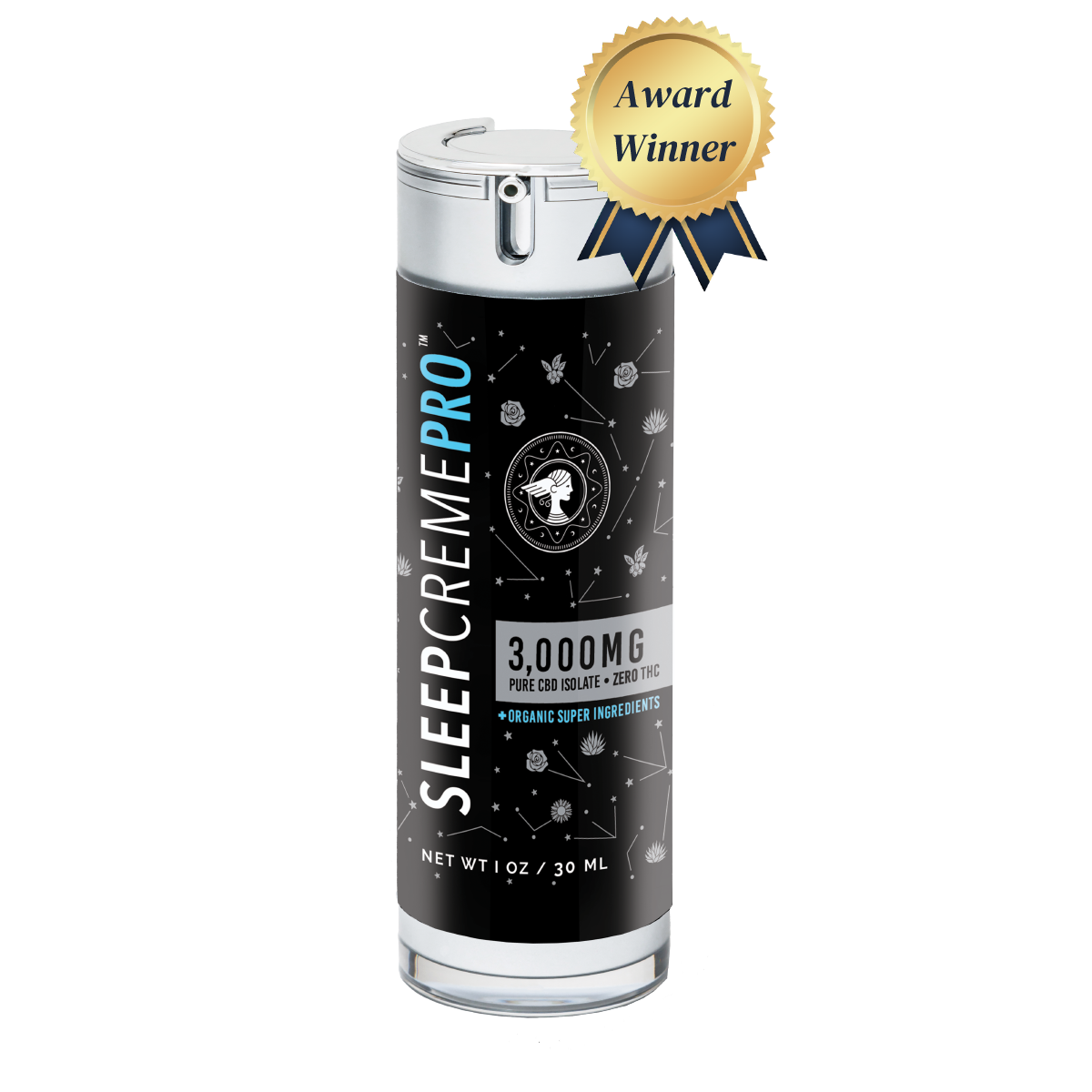
SleepCreme is designed to be part of that nightly transition from activity to rest. Its topical, plant-based formula is crafted to support relaxation without melatonin or THC, making it a gentle addition to your bedtime routine.
Applied to areas like the neck, shoulders, or feet, it becomes a tactile signal that the day is ending and rest is beginning—another small, consistent action that helps train the body toward better sleep.
A February Invitation: Fall in Love with Sleep Again
This month, instead of chasing sleep or worrying about it, try something different. Approach it with care, patience, and intention.
- Set a consistent bedtime
- Create a simple wind-down ritual
- Protect your evenings with healthy boundaries
- Support your body with gentle, natural solutions
And if you’re ready to make sleep a priority again, take advantage of our February offer:
Save 20% on your first order with code FALLASLEEP20.
Because falling in love with sleep again isn’t about perfection.
It’s about small, caring choices—night after night—that remind your body it’s safe to rest.