
Most pets sleep best with 1–5 mg of CBD per 10 lbs of weight. I always say, start low, around 0.25 mg per lb, and ease up slowly. Oils give you more control, while treats make life easier. And if your pet’s on meds or has health issues? Run it by your vet first.
Late-night pacing, whining, or sudden bursts of energy from a pet can make sleep feel impossible. Many pet owners are turning to CBD for help, hoping to bring a little calm back into their nights. The tricky part is figuring out how much to give without overdoing it.
After years spent helping adults sleep better without pills or melatonin, I’ve learned pets need the same thoughtful approach. This guide breaks it down clearly, so you’re not guessing in the dark.
How CBD Works to Support Sleep in Pets

CBD helps pets sleep by restoring balance, not by forcing shutdown. It interacts with systems they already have, systems built to calm them down when life gets loud. Whether it’s a thunderstorm, a stiff joint, or age-related anxiety keeping them up, CBD works behind the scenes to help the body remember how to rest.
Modulates the Endocannabinoid System
At the heart of it, CBD speaks the language of the endocannabinoid system, something every mammal has. This system helps regulate sleep, stress, and pain. CBD nudges this system. It binds indirectly to receptors like CB1 and CB2 to help tone down the signals that keep your pet wired. That calming ripple effect is how rest starts to take root.
Reduces Cortisol and Stress Hormone Levels
Stress hormones like cortisol don’t affect only humans. When a dog’s nervous, their cortisol spikes, and sleep becomes a long shot.
CBD may help lower cortisol production, allowing the nervous system to shift out of fight or flight and into rest and repair. That’s the gear you want before bedtime.
Promotes Serotonin Receptors to Ease Anxiety
CBD can activate 5-HT1A receptors, which are tied to serotonin, the mood stabilizer. In pets, this activation helps reduce anxious behaviors that block sleep, like pacing, whining, or hyper-alertness.
Interrupts Pain Signaling Pathways
For pets with arthritis, sore hips, or recovering injuries, discomfort is a sleep thief. CBD can inhibit the release of pain signals by influencing vanilloid receptors (TRPV1). That means less inflammation, less fidgeting, and fewer middle-of-the-night position changes. Relief leads to stillness, and stillness leads to sleep.
CBD Dosage

Dosing CBD for your pet is not a set-it-and-forget-it thing. It’s more like cooking without a recipe. You start with a general idea and adjust based on how things look and feel. The goal is not to knock them out cold. It’s to help them unwind enough that their body can choose sleep naturally.
Dosage by Weight (The Foundational Rule)
The most common baseline is 1–2 mg of CBD per 10 pounds of body weight for sleep support. Some pets may need as little as 0.25 mg per pound, especially older animals. For example, a 20-pound dog might start with 2–4 mg. That’s it. Start there, observe, and increase slowly as needed.
Smaller pets tend to be more sensitive than people expect. A five-pound dog may respond beautifully to 1 mg. Microdosing, starting with 0.25 to 0.5 mg and adjusting, is often the smartest move for pets under 10 pounds. Too much too soon is where you see the grogginess or stomach issues that people worry about.
Dosage by Product Type
How you give your pet CBD changes how much they actually absorb. That’s something I wish more folks knew upfront. The product type affects timing, bioavailability, and sometimes even whether your pet will accept it at all.
CBD oils are the most adjustable form of CBD. You can dial in a precise dose down to the milligram, which is helpful for smaller pets or those sensitive to change. Place it under the tongue if possible for faster absorption, or mix it into a small amount of food if your pet’s picky.
Oils typically start working within 30 to 45 minutes. That’s your go-to when you need reliable, predictable effects by bedtime.
CBD chews are easier to give, no question. Pre-dosed, no mess, and often flavored to appeal to your pet. But that convenience comes at a cost of digestion time. Chews have to pass through the liver before the CBD gets into the bloodstream, which means you may be waiting up to two hours to see full effects.
Topical CBD works for pets, too. There are pet-safe CBD creams or oils that can be gently applied to paws or the inner ear flap.
Those areas have thinner skin and better vascular access, meaning CBD can still reach the bloodstream. For pets who resist swallowing oil or spit out treats, this route offers a low-stress alternative.
Dosage by Timing
CBD needs time to move through your pet’s body, settle into their system, and start doing its quiet work. That timing, when you give the dose, matters as much as how much you give.
-
Oils absorb faster than treats. Most pets feel the effects within 30 to 45 minutes after dosing, quicker if the oil is given sublingually (under the tongue), a bit longer if it’s mixed with food.
-
Treats need time. Since they’re processed through digestion, they take longer to activate, sometimes up to two hours, depending on your pet’s metabolism and whether they’ve just eaten.
Avoid Dosing Right After Big Meals
Food slows absorption. If you give CBD right after a large dinner, especially with fatty food, expect a delay in onset. A light snack is fine, but for faster results, time the dose when digestion won’t interfere.
Timing Can Be a Trial-and-Error Game
Every pet processes CBD a little differently. Some get sleepy fast. Others mellow out first, then drift off an hour later. That’s why I suggest tracking what time you dose and how your pet responds. Patterns show up quickly, and they’ll help you fine-tune things over time.
Dosage by Condition (Why Your Pet Can’t Sleep)
Not all sleepless pets are the same. Some are wired from anxiety. Others shift around all night because their joints ache. And sometimes, especially in older pets, there’s no clear reason. They just can’t settle.
Mild anxiety or restlessness
Start with 1 mg of CBD per 10 pounds of body weight. This works well for pets who are alert, pacing, or lightly reactive.
Pain, inflammation, or aging joints
Use 2–4 mg of CBD per 10 pounds of body weight
Discomfort is a major sleep disrupter. A mid-range dose helps reduce inflammation and physical tension so pets can rest without constantly shifting.
High-stress events
Temporarily increase to 3–5 mg per 10 pounds of body weight
For these short-term spikes in stress, a slightly higher dose may be needed. Give it 45–60 minutes ahead of the stressor, and taper back down once calm returns.
Older or senior pets
Begin with 0.5–1 mg per 10 pounds of body weight, possibly split into two smaller doses
Older systems process CBD more slowly, so gentler dosing tends to work better. Try half the dose at dinnertime and the other half before bed to keep things steady.
What Does Too Much CBD Look Like in Pets?
CBD is remarkably well-tolerated in dogs and cats, but like anything, too much can tip the balance. Although it might not be dangerous in the way pharmaceuticals can be, it is still something to approach with care.
Signs you may have given too much:
-
Grogginess or wobbling
-
Excessive drooling
-
Gastrointestinal upset (vomiting or diarrhea)
-
Disorientation or unusual stillness
That doesn’t mean you’ve harmed your pet, but it is a signal to dial it back. Most of the time, the effects wear off within several hours without lasting issues. But it’s a reminder that more CBD is not always better.
Tips to avoid overdosing:
-
Start with the lowest effective dose
-
Split doses into morning and evening if needed
-
Adjust gradually, only 0.5 to 1 mg at a time
-
Use oils for more precise control over milligrams
What If It Doesn’t Work?
Sometimes, you do everything right. You calculate by weight, choose a good product, dose at the perfect time, and still, your pet’s wide-eyed at midnight. It happens. That’s because CBD is a tool. And like any tool, it might need a little adjustment before it fits right.
-
Step up slowly. If you’ve started low and seen no change, increase by 0.5 to 1 mg every few days. Stick to that dose for at least two nights before adjusting again. Most pets respond somewhere between 1 and 5 mg per 10 lbs. It takes a little trial and observation.
-
Track what’s happening. Keep a simple sleep log of when you gave CBD, how much, and what your pet’s sleep or behavior looked like over the next few hours. You’ll notice patterns that help you tweak with confidence.
-
Consider the format. If you're using chews and getting no results, try oil. It absorbs faster and lets you dial the dose in with more precision. Still no response? Try splitting the dose, half at dinner, half before bed.
-
Rethink the product. Some brands cut corners. If your pet’s CBD is not third-party tested or doesn’t list exact milligrams per dose, you might not be giving what you think you are.
-
Give it time. If your pet is still not responding after 7–10 days of consistent dosing and careful adjustments, it’s okay to reassess. Some pets simply don’t respond to CBD. It’s rare, but it happens. That doesn’t mean you failed. It means you’re paying attention.
Calm Nights Start with the Right Dose
Every pet has a rhythm, and your job is to tune in. A calm evening starts with consistency. Same time, same method, and steady observation. The results come when you give the body what it needs in a way it can understand.
So,
-
Choose the format that fits your pet’s routine.
-
Adjust slowly.
-
Watch how they respond.
Relief often builds across nights, not in a single moment. Sleep becomes easier when the environment feels safe and the system feels supported.
And while you're helping your pet rest, remember your own sleep matters too.
Looking for a gentle, non-ingestible sleep aid that works for you?

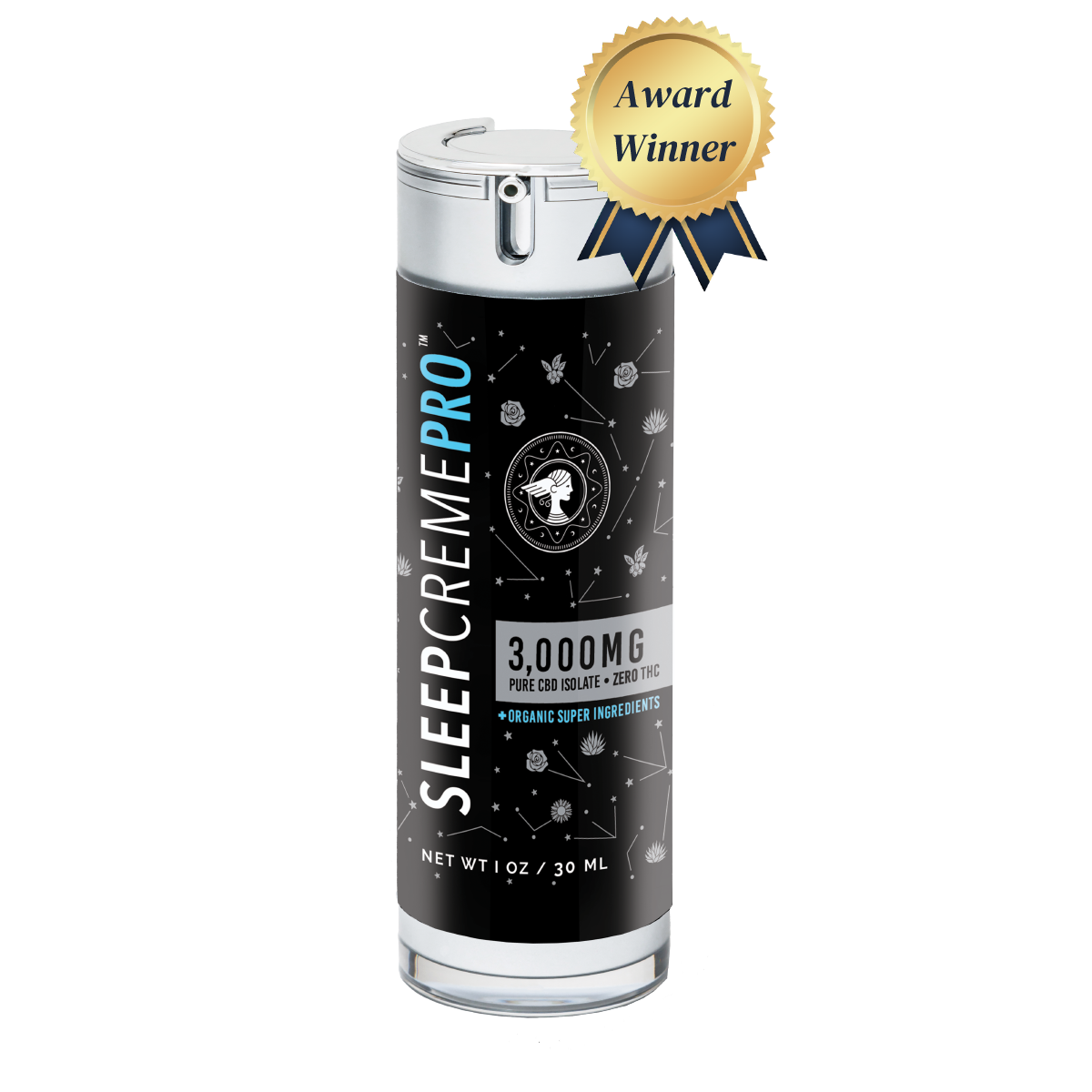
Try SleepCreme, our CBD-infused topical that helps adults wind down without pills, melatonin, or morning grogginess. If your pet needs help sleeping, chances are…you do too. Apply to pulse points before bed and drift off naturally.