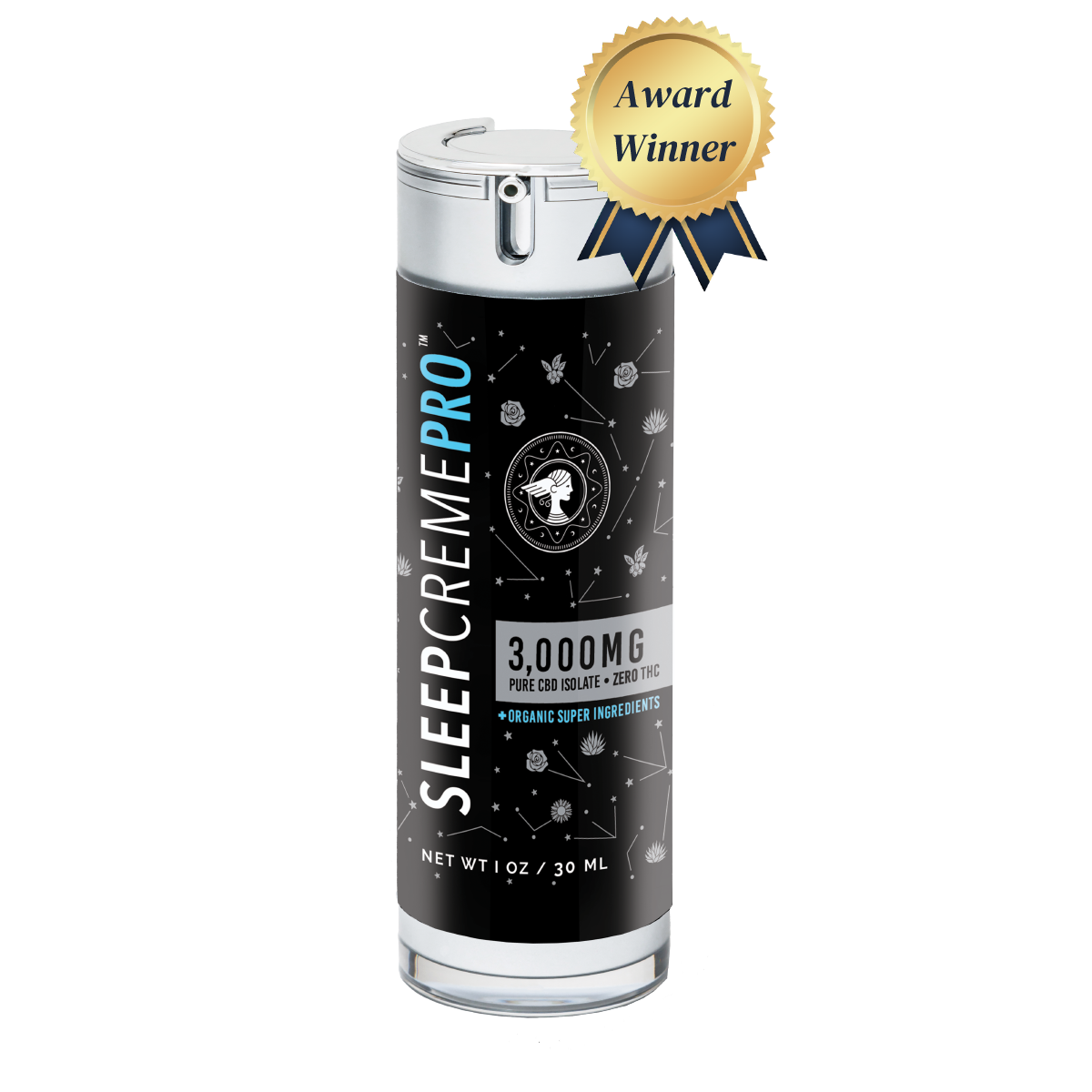

Many people with chronic back pain find relief by sleeping on their side with a pillow between the knees or on their back with support under the knees, choosing the right mattress, and using natural relief products like CBD. However, lasting sleep depends on getting the combination right.
Sleep is not supposed to feel like a test of endurance, but that’s what it becomes when you live with chronic back pain. The nights blur. You try one position, then another. Maybe you’ve swapped pillows, experimented with mattresses, even timed your meds right, and still, you wake up sore, stiff, or not at all rested.
So, what does it actually take to get quality sleep? Let’s get into it.
The Relationship Between Back Pain and Sleep
Chronic back pain doesn’t clock out at bedtime. In fact, for many people, it gets louder. Lying still for hours can lead to stiffness, inflammation, and nerve sensitivity, especially in the lower back. Pain tends to spike at night when your body cools down, your cortisol levels shift, and muscles that held tension all day finally start to protest.
Conditions like sciatica, herniated discs, fibromyalgia, and restless leg syndrome complicate things even more. They make it hard to find a comfortable position, let alone stay in one.
How to Sleep with Back Pain

Sleeping through chronic back pain begins with supportive positioning, continues with a consistent nighttime routine, and includes the right tools to calm the body before bed.
Each element builds on the next to reduce tension, minimize flare-ups, and support deeper rest. The following approaches may help you create a sleep setup that works, even when pain doesn’t go away completely.
Best Sleeping Positions to Try Tonight
The goal is to keep the body stable, not stiff. These positions offer simple ways to reduce tension and create a more restful foundation.
Side Sleeping with a Pillow Between the Knees
This position offers strong spinal support when done with intention. Placing a firm pillow between the knees keeps the hips level and prevents the lower back from twisting during the night. This position is helpful for people with disc issues or nerve-related pain in the lumbar spine.
Back Sleeping with Support Under the Knees
Back sleeping can work well when the legs are slightly elevated. A small pillow or rolled towel under the knees supports the natural curve of the spine and reduces tension in the lower back. To avoid neck strain, pair this setup with a medium-loft pillow under the head.
Stomach Sleeping with Hip Cushioning
Stomach sleeping puts strain on the neck and arches the lower back in a way that often makes pain worse. Many people who sleep this way wake up sore or stiff.
If this is the only position that feels familiar, placing a thin pillow under the hips may reduce pressure on the spine, but most people sleep better when they can transition to side or back sleeping over time.
The Right Mattress and Pillow
A solid foundation makes every sleep position more effective. Too much firmness can push the body into unnatural angles.
So, the right support depends on body type, sleep habits, and how pain shows up at night. No mattress or pillow fixes everything, but the right ones reduce strain enough to make sleep possible.
Medium-Firm Mattresses for Spinal Support
Medium-firm mattresses strike a balance between cushioning and alignment. They offer enough give to reduce pressure on hips and shoulders, but stay firm enough to prevent sagging in the lower back.
Many people who try a firmer mattress for support end up trading back pain for shoulder discomfort. A medium-firm option often avoids both extremes and works well for most body types.
Budget-Friendly Mattress Toppers
Not everyone can replace a mattress overnight. A good topper, typically made of memory foam or latex, adds comfort and structure without the full cost of a new bed. It can also extend the life of an aging mattress while improving pressure relief around the hips and lower back.
Orthopedic Pillows for Alignment
The right pillow keeps the neck in line with the spine and supports the head without tilting it too far forward or back. Orthopedic and memory foam pillows offer steady structure and don’t collapse under weight. Side sleepers may benefit from a firmer, higher-loft pillow, while back sleepers often do better with a medium height.
Nighttime Routines That Ease Pain Fast

What happens in the hour before bed often sets the tone for the entire night. A routine that calms the body and prepares the nervous system for sleep can reduce both the intensity and duration of back pain.
Gentle Stretching Before Bed
A few minutes of slow movement can loosen the muscles that stay locked up during the day. Focus on the hips, hamstrings, and lower back. A short routine using a foam roller, or even light yoga with support blocks, can relieve pressure and make it easier to lie still without triggering a flare-up.
Some people add a 5-minute micro-stretch session before bed and again upon waking to gently reintroduce motion.
Heat for Tension Relief
A warm shower, a heating pad on the lower back, or even a heated blanket across the legs can improve circulation and reduce stiffness. This step signals to the body that it’s safe to relax. Be careful with direct heat on inflamed joints. Sometimes the warmth feels good, but too much can worsen irritation.
Light Hydration and Wind-Down Habits
A small glass of water 30 minutes before bed supports hydration without disrupting sleep. Avoiding caffeine and alcohol helps, too, as both can increase inflammation and disturb deep sleep cycles. A dark, cool room, limited screen time, and slow breathing before bed all add up. These quiet habits reduce the noise that keeps pain from fading into the background.
Can CBD Really Help You Sleep?

CBD can be a powerful part of a nighttime routine, especially when back pain keeps the body stuck in fight-or-flight mode. The kind of CBD, how it’s delivered, and when it’s used all shape the outcome.
How CBD Eases Pain and Tension
CBD interacts with the body’s endocannabinoid system, which plays a role in how we process pain, stress, and inflammation. It doesn’t knock you out. Instead, it helps the nervous system shift gears, creating a calmer baseline so muscles can let go and sleep can unfold more naturally.
For people who carry tension in their lower back or feel on edge before bed, this shift often brings enough comfort to fall asleep without added noise.
CBD Formats and How They Work
Many people think of CBD as something you swallow, but topical formats work faster for localized issues like back pain. Creams avoid digestion and are absorbed directly through the skin. That makes them ideal for targeted nighttime relief. Oils and gummies can offer broader effects, but they often come with a delayed onset
When It’s Time to See a Doctor
Some signs point to issues that go beyond nightly discomfort and call for professional evaluation. No routine, cream, or mattress can fix what needs medical attention.
Seek out a doctor if you notice any of the following:
-
Pain that worsens over time or doesn’t improve with consistent self-care
-
Numbness, tingling, or weakness in the legs, feet, or arms
-
Pain that radiates from the lower back into the hips or down the legs
-
Difficulty controlling movement or balance
-
Sleep loss that impacts daily function, even after trying multiple strategies
A thorough medical exam can rule out serious causes like nerve compression, disc damage, or inflammatory conditions.
To make the most of an appointment:
-
Bring a written sleep log
-
Track when pain appears, what aggravates it, and what gives even slight relief
-
Mention any nighttime patterns, such as waking up at the same time or changing positions constantly
-
Be specific about what you’ve tried, including non-pill approaches like topical CBD, stretching, or mattress changes
Relief Is Closer Than You Think

Chronic back pain doesn’t disappear overnight, but better sleep can start sooner than most people expect. A supportive sleep position, a steady nighttime routine, and the right tools, like a calming topical CBD, create the conditions for deeper rest.
There’s no perfect setup, only the one that works tonight, and that’s enough to begin. Small wins add up. A few hours of solid sleep can shift the whole day.
And if what you’ve tried hasn’t worked yet, it doesn’t mean nothing will. It means the right combination hasn’t landed yet. That next step might be as simple as what you sleep on, how you wind down, or what you apply before bed.
Ready to Sleep Again?
→ Try SleepCreme PRO. It supports sleep without pills, melatonin, or next-day fog.
We offer a 30-day, money-back guarantee because we know the search for sleep is personal. And when it works, it’s not subtle, you’ll feel it.