Is Waking in the Middle of the Night Normal?
What History and Science Say—And How SleepCreme Can Help You Rest Naturally
Rethinking Midnight Wakeups
If you’ve ever found yourself wide awake in the middle of the night—checking the clock at 2:13am and wondering what’s wrong—you’re not alone. And more importantly, you may not be doing anything wrong.
In today’s world, waking up during the night is often labeled as a sign of insomnia or poor sleep hygiene. But historical records and scientific studies suggest otherwise*. Before the industrial era, it was common—even normal—for people to sleep in two distinct phases, with a period of calm wakefulness in between.
This concept, called segmented sleep or biphasic sleep, is not a new discovery—it’s a forgotten rhythm. At SleepCreme, we aim to bring you knowledge and research that is both old and new, and that will help you find your natural sleep rhythm.
What Is Segmented Sleep?
Segmented sleep refers to a natural rhythm of sleeping in two parts, separated by a period of wakefulness that can last anywhere from 30 minutes to a couple of hours. This rhythm was widely observed in preindustrial Western societies and is supported by hundreds of historical documents, from diaries and medical texts to fiction and religious writings.
“The references were stated as if segmented sleep was utterly natural and did not need to be explained,” says historian Roger Ekirch, who documented this phenomenon in his book At Day’s Close: Night in Times Past.
During this mid-night interlude, people would often pray, reflect, write, tend to chores, or even connect with loved ones. It was considered a calm, introspective time—not a disruption.
A Forgotten Sleep Cycle: How Electricity Changed Everything
So what happened to this natural rhythm?
As artificial lighting became widespread and industrial work schedules took over, humans began to consolidate their sleep into a single block to accommodate modern life. This shift wasn’t necessarily an improvement—it was a convenience.
“We’re working much later into the evening,” notes circadian neuroscientist Russell Foster. “We’re overriding the natural darkness and therefore reducing our opportunity to sleep.”
The glow of screens, 24/7 lifestyles, and overstimulation have disconnected us from the natural cues of sunlight and darkness. As a result, many of us now try to squeeze in all of our sleep into one uninterrupted cycle—often while battling racing thoughts, anxiety, or the pressure of "perfect" sleep.
What Science Tells Us About Biphasic Sleep
In a landmark study, psychiatrist Thomas Wehr placed participants in total darkness for 14 hours a day over multiple weeks to simulate preindustrial light conditions. After an adjustment period, almost all of them began sleeping in two segments.
“The average pattern was very similar to sleep in some diurnal, day-active animals like panthers,” Wehr observed.
Notably, participants felt rested—and their brief periods of night-time wakefulness weren’t stressful or filled with anxiety. Instead, the body and brain entered a restful, meditative state, suggesting that segmented sleep may be our natural physiological pattern.
There may even be an evolutionary explanation. Wehr observed that participants often woke at different times, meaning someone was always awake, which may have provided a protective advantage for early human communities—a concept known as the “sentinel hypothesis.”
Not All Scientists Agree—And That’s Okay
Not everyone in the scientific community accepts segmented sleep as a universal human default. UCLA professor Jerome Siegel studied modern hunter-gatherer societies and found that their sleep patterns were often monophasic, or single-phase, similar to modern patterns.
“Maybe there was a period in human history when people were waking up in the middle of night,” Siegel writes, “but to say that is the normal pattern just contradicts all this data.”
However, most experts do agree on one point: human sleep is adaptable. Factors like environment, climate, latitude, season, and social structure all influence sleep. As Daniel Buysse of the University of Pittsburgh puts it:
“I mainly don't think that there's any one pattern of sleep that is the human sleep pattern. I think that adaptability is the main feature.”
Why SleepCreme Supports Natural Rhythms Without Forcing a Schedule
At SleepCreme, we believe your sleep cycle isn’t something to force—it’s something to support.
If you wake up in the middle of the night, you’re not failing. Your body may simply be expressing a rhythm that’s been part of humanity for thousands of years. But in today’s fast-paced world, those wakeups often come with stress, anxiety, and restlessness that can make it hard to fall back asleep.
That’s where SleepCreme can help.
How SleepCreme Helps You Fall Back Asleep—Naturally
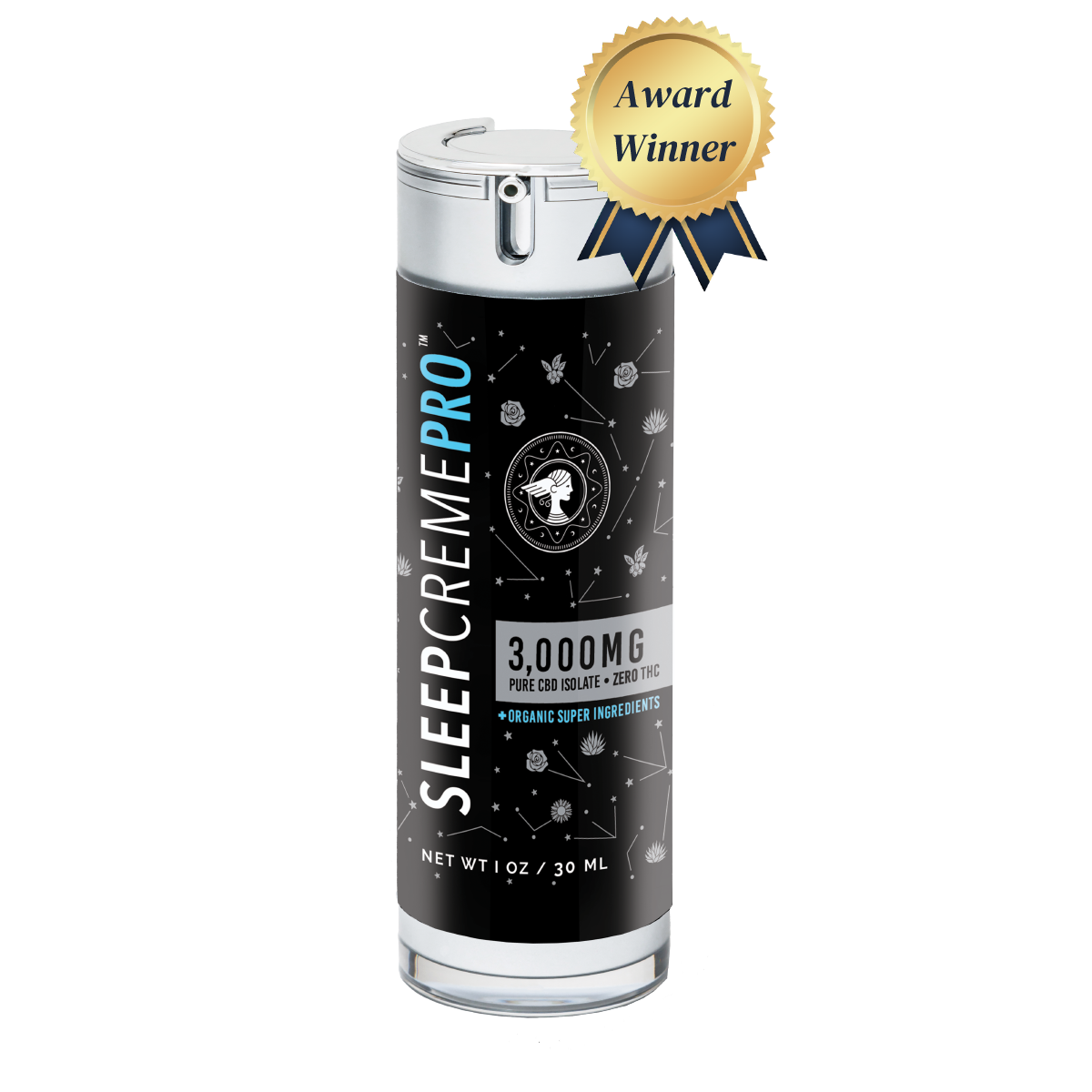
SleepCreme is a topical sleep formula designed to calm the nervous system, soothe overactive thoughts, and help you return to rest—without melatonin, sedatives, or THC.
🌿 Key Ingredients:
- 3,000mg and 5,000mg of Naturally sourced botanical isolate – six times the industry standard, blended using nanotechnology for faster absorption.
- Wild lavender essential oil – a natural relaxant that promotes calm and rest.
- Organic white willow bark – used for centuries to ease physical tension and discomfort.
- Carrot seed oil, rosehip, and vitamin E – support skin and nervous system health.
- No melatonin – so there’s no grogginess or hormone interference.
Whether you're starting your evening routine or waking up after your "first sleep," SleepCreme can help you gently return to a calm, restful state without forcing your body into an artificial rhythm.
How to Embrace a Healthier Sleep Mindset
You don’t need to force your body into a “perfect” 8-hour sleep. You just need to give it what it needs to relax, reset, and restore. That’s why SleepCreme aligns with your body—not against it.
🛌 Try These Tips Tonight:
- If you wake up, don’t panic. It may be a natural phase in your sleep cycle.
- Keep the lights low. Avoid screens or bright bulbs that confuse your circadian rhythm.
- Apply SleepCreme. Rub a small amount into pulse points or tense muscles for a soothing effect.
- Focus on calm, not performance. Sleep is a relationship, not a task.
Rediscover the Way You Were Meant to Sleep
Whether your nights are segmented, single-phase, or somewhere in between, your sleep deserves to be supported—not judged. SleepCreme helps you rest in rhythm with your body, so you wake up refreshed—not frustrated.
✨ Try SleepCreme today and use code FALLASLEEP20 for 20% off your first order.
Because sometimes the best sleep isn’t perfect—it’s simply peaceful.
*NOTE:
Much of the renewed interest in segmented sleep comes from modern research and journalism, including a compelling article published by National Geographic. The piece, titled “Is Sleeping Through the Night the ‘Right’ Way to Sleep?”, explores the historical, biological, and cultural context of biphasic sleep and challenges the modern notion that waking during the night is a sign of dysfunction. The article features insights from historians and sleep scientists and supports the idea that waking in the middle of the night may, in fact, be a deeply human pattern.