
Options like oral devices, positional therapy, and lifestyle changes can reduce sleep apnea symptoms. CBD may also support better sleep alongside other tools.
CPAP, short for continuous positive airway pressure, is the go-to treatment for sleep apnea, but it is not a perfect fit for everyone.
The mask, the noise, the middle-of-the-night hose tangles can feel more like stress than solution.
Many adults are finding success with gentler, more manageable options that actually support restful sleep.
Let's talk about what those options really are.
Why People Ditch CPAP
This machine is brilliant in theory, but in real life, it is often clunky, uncomfortable, and plain unsustainable. Some people do not like it for several reasons.
-
It’s uncomfortable. Masks leak, straps dig in, and the air pressure can feel like a leaf blower up your nose.
-
The noise disrupts sleep. CPAPs are supposed to help you sleep better, but for some, the hum and hissing do the opposite.
-
Travel is a hassle. Lugging a CPAP through airports or forgetting a key part can throw off your whole routine.
-
Compliance is low. Around 30–40% of users abandon their machines within a year. That stat exists for a reason.
Natural Alternatives to CPAP
So if CPAP is not your match made in sleep heaven, what else is out there? The good news is that you have quite options to manage sleep apnea.

Lifestyle-Based Solutions
These are not quick fixes, but for many adults, they’re the most sustainable. Here are the lifestyle changes that can lighten the load on your airway and help you sleep deeper, naturally.
1. Weight Loss
Extra weight, especially around the neck, can put pressure on your airway when you lie down.
So, even a modest drop in weight can make a measurable difference in apnea severity.
That is why you should pair light exercise with mindful eating to give your body the room it needs to breathe freely at night.
2. Positional Therapy
Believe it or not, how you sleep matters as much as how much you sleep.
When you sleep on your back, gravity pulls the tongue and soft tissues backwards, blocking airflow. Side-sleeping keeps the airway more open.
3. Breathing Exercises & Myofunctional Therapy
You don’t have to become a yogi, but learning to control your breath and strengthen your airway muscles can be the difference of whether you have a good or bad sleep.
Myofunctional therapy, which is basically workouts for your tongue and throat, can help tone the muscles that keep your airway open at night. These techniques take consistency, but the risk is almost zero, and the payoff can be huge for mild apnea.
Even five minutes a day of focused breathing, humming, or didgeridoo-style exhalation can train your body into better nighttime patterns.
Oral Devices & Non-Machine Tools
Not everyone wants to, or can, wear a mask at night. The other options lie in non-machine tools. These are discreet, portable, and designed to physically keep the airway open without forcing air down it.
1. Mandibular Advancement Devices (MADs)
Think of these like a custom-fit mouthguard that gently pulls your lower jaw forward while you sleep. That forward shift helps keep your airway open and reduces the risk of collapse.
MADs are one of the most effective non-CPAP tools for mild to moderate sleep apnea, and they’re silent, portable, and don’t require electricity.
But they’re not without drawbacks. Some users report jaw soreness or even TMJ flare-ups, especially if the device is not properly adjusted. And getting one covered by insurance can be a slow, paperwork-heavy process.
2. Tongue Stabilizers & Provent Therapy
These are a little less mainstream but still worth considering if jaw-forward devices don’t suit you.
Tongue-stabilizing devices (TSDs) keep the tongue in a forward position to prevent it from blocking your airway. They look odd, and they can take some getting used to.
Provent is another non-invasive option. Here, little adhesive valves are placed over your nostrils to create resistance as you breathe out, helping keep airways open.
They're not for everyone. However, they can offer a surprising level of support when you're off your regular routine.
Herbal Remedies & Supplements
Let’s talk herbs. They’ve been used for centuries to calm the mind and body, but when it comes to sleep apnea, they play a more supportive role.
The truth is that herbs and supplements don’t fix a blocked airway. They can also ease the stress, restlessness, and surface-level sleep issues that often ride shotgun with apnea.
🌿 Valerian Root
Valerian root is often used as a natural sedative. It can help shorten the time it takes to fall asleep and improve sleep quality. Some people experience next-day drowsiness, so it's best to start with a small dose.
🌼 Passionflower
Passionflower is known for its calming effects and is commonly used to reduce anxiety before bed. It works well in teas or capsules and may support a more relaxed transition into sleep.
🌿 Lemon Balm
Lemon balm belongs to the mint family and has been shown to ease restlessness and mild insomnia. It is often combined with other herbs and works best as part of a multi-ingredient formula.
💊 Magnesium
Magnesium is essential for muscle function and nervous system balance. It can be helpful if you experience restless legs, tension, or body discomfort that interferes with sleep.
Can CBD Work for Sleep Apnea?

Yes, CBD can be a helpful part of a broader nighttime routine for adults, especially those dealing with stress-related sleep issues or physical discomfort.
But let me be clear up front. CBD is not a replacement for CPAP or a medical cure for sleep apnea.
How CBD Supports Sleep
CBD works by calming the nervous system. It helps reduce tension, ease anxiety, and soothe the kind of low-level physical discomfort (like neuropathy or muscle tightness) that keeps you from settling in at night.
While it doesn’t stop airway collapse, the core issue in apnea, it can reduce the secondary effects that make apnea feel worse. That is, fragmented sleep, heightened stress, and difficulty winding down.

When Surgery or Stimulation Devices Make Sense
These options may make sense when:
-
CPAP has failed completely. You’ve tried it, adjusted it, and still can’t tolerate it despite medical support.
-
You’ve exhausted lifestyle and oral appliance options. Weight loss, side-sleeping, oral devices, and relaxation tools have not made a meaningful dent in your symptoms.
-
You have moderate to severe OSA. And your AHI (Apnea-Hypopnea Index) remains high, with serious daytime symptoms like fatigue, memory issues, or high blood pressure.
-
Your anatomy is working against you. Enlarged tonsils, jaw misalignment, or airway collapse may not respond well to non-invasive methods.
-
You’re medically cleared and committed. Devices like Inspire require surgical implantation, ongoing checkups, and the ability to manage the system properly.
Is It Safe to Quit CPAP?
I get it. You’re tired of the mask, the machine, the whole routine. But before you unplug for good, there are a few things you need to consider.
When it might be safe to reduce or quit:
-
You’ve been diagnosed with mild sleep apnea. Some people with low AHI scores can manage symptoms through weight loss, side-sleeping, oral devices, or muscle therapy, especially if they’re consistent.
-
Your sleep specialist is on board. You’ve checked in with your doctor or sleep provider, and they’ve helped you monitor progress, run follow-up tests, or adjust your plan.
When it is not safe:
-
You have moderate to severe apnea. Untreated, this can increase your risk for heart disease, stroke, and memory issues, even if you feel fine.
-
You’re still waking up exhausted.
If you’ve quit CPAP but still feel like a zombie in the morning, your plan is not working. -
You haven’t done a sleep study recently. You may not know how much your apnea has progressed. So, always get data before making big changes.
Signs Your Alternative Is Not Working
-
You’re waking up with dry mouth, gasping, or headaches
-
You’re still exhausted mid-day or falling asleep during tasks
-
Your partner says your snoring is back, or worse
-
You feel foggy, irritable, or unfocused
If you’re serious about quitting CPAP, don’t go it alone. I recommend talking to a sleep specialist.
You should track your symptoms. Use tools like home sleep tests or snore-tracking apps. And, build a routine that actually helps you sleep well, not differently.
A Better Night’s Sleep Is Possible
If there’s one thing I’ve learned from working with countless adults searching for better sleep, is that the best solution is the one you’ll actually stick with.
That’s CPAP for some, while others go with a combination of natural tools, and sometimes a little help from CBD.
What matters most is that your sleep solution works with your life, not against it.
Whether you’re exploring your first non-CPAP option or refining a routine that already includes breathing therapy, weight loss, or topical support, give yourself permission to experiment.
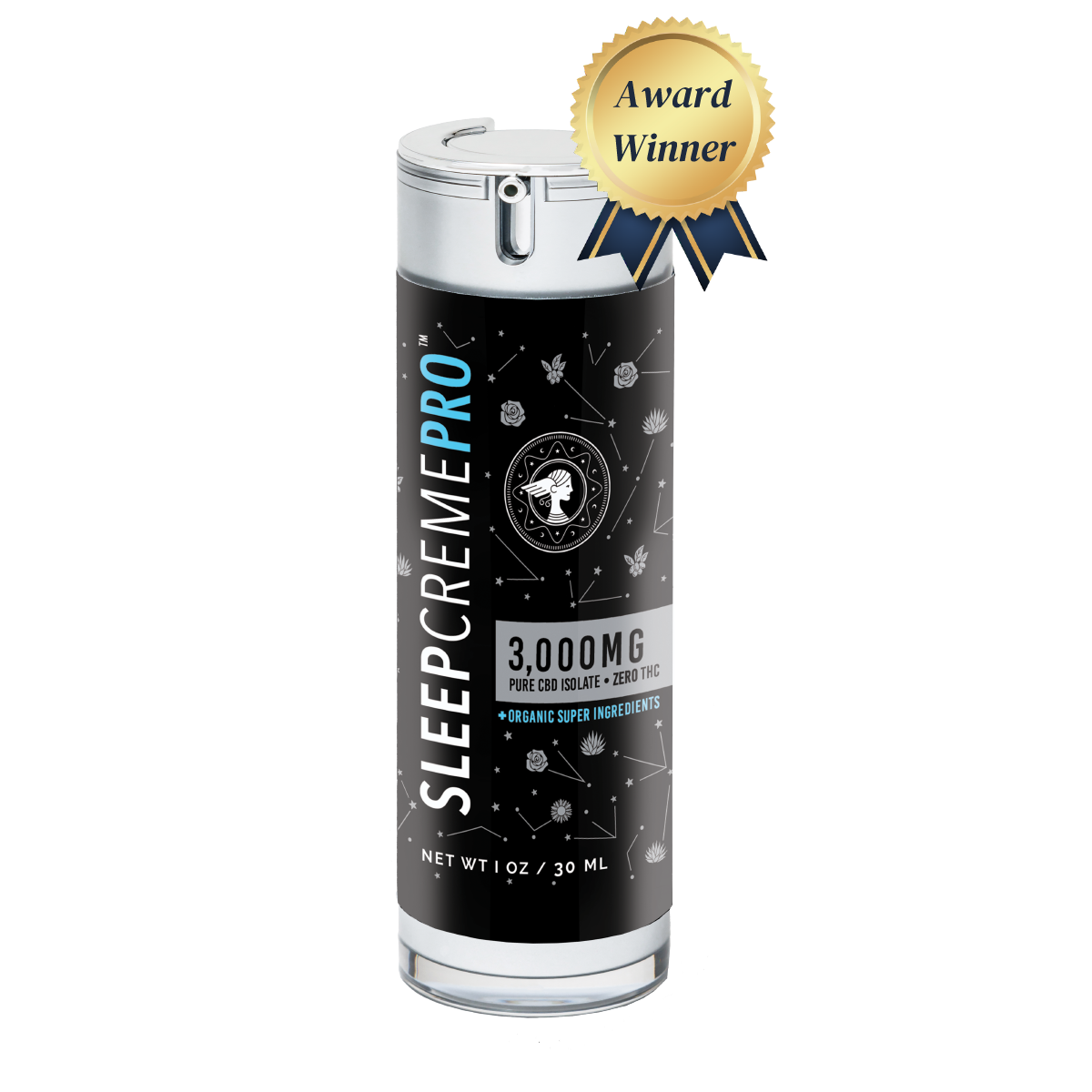
Add SleepCreme to Your Sleep Routine
If you’re exploring natural ways to improve sleep alongside CPAP, SleepCreme can help you wind down more easily.
We made it with 99% pure CBD isolate and soothing botanicals like aloe, lavender, and avocado oil to support relaxation without melatonin, pills, or lingering grogginess.
👉 Find out if SleepCreme fits your routine.
Questions We Frequently Get On CPAP
These are the boots-on-the-ground questions I hear from frustrated, exhausted people looking for something that works.
Is there a natural alternative to CPAP that’s actually effective?
Yes. Many people with mild to moderate sleep apnea, oral devices, positional therapy, and lifestyle changes can reduce symptoms significantly. These are not miracle cures, but they can help you manage your sleep
Can CBD help with snoring or sleep apnea?
CBD doesn’t treat airway obstruction. However, it can help ease the anxiety, tension, and body discomfort that make sleep worse. Topicals like SleepCreme support better rest and can be a useful part of your nighttime routine.
Are oral devices better than CPAP?
They’re different tools. Oral devices are more comfortable, silent, and portable, but they tend to work best for mild to moderate cases. They’re also dependent on fit and may need adjustments over time.