Sleep and Weight Loss: How Better Rest Supports Your Wellness Goals
Sleep and Weight Loss: Why Better Rest Supports Better Results
When people think about weight loss, they usually think about food, movement, and willpower. Those things matter, of course, but there is another piece of the wellness puzzle that is often overlooked: sleep.
Sleep is not a magic solution for weight loss, and it should never be treated as a replacement for balanced nutrition, physical activity, or medical guidance. But research continues to show that sleep plays an important role in how the body regulates appetite, energy, metabolism, cravings, and daily decision-making. In other words, when your sleep is inconsistent, your wellness goals can feel harder than they need to be.
That is why our April campaign has focused so much on consistency. Better sleep is not usually built in one perfect night. It is built through small, repeatable habits your body can recognize and trust.
How Sleep Affects Hunger and Appetite
One of the most studied connections between sleep and weight loss involves appetite regulation. When sleep is restricted, the body can experience changes in hormones that influence hunger and fullness.
Research has linked sleep restriction with changes in ghrelin, a hormone associated with hunger, and leptin, a hormone associated with fullness. Some studies show that sleep loss may increase appetite and cravings, particularly for calorie-dense foods.
That helps explain why a poor night of sleep can make the next day feel harder. You may feel hungrier, crave more sugar or carbohydrates, or have less energy to make choices that support your goals.
Sleep May Influence Calorie Intake
One of the strongest recent studies on this topic was published in JAMA Internal Medicine. In a randomized clinical trial of adults with overweight who habitually slept less than 6.5 hours per night, researchers found that extending sleep reduced daily energy intake and created a negative energy balance in real-life settings.
That does not mean sleep alone causes weight loss. But it does suggest that improving sleep may support weight management efforts by helping reduce excess calorie intake.
This matters because better sleep can make healthy choices feel less like a battle. When your body is rested, your hunger signals, energy, and decision-making may be better aligned.
Poor Sleep Can Affect Metabolism and Insulin Sensitivity
Sleep also plays a role in metabolic health. Reviews of the research have found that sleep restriction can affect endocrine and metabolic function, including hunger, appetite, glucose regulation, and insulin sensitivity.
Insulin sensitivity matters because it affects how the body uses and stores energy. When sleep is consistently disrupted, the body may have a harder time maintaining normal metabolic balance.
Again, this does not make sleep a standalone weight loss strategy. But it does make sleep a foundational wellness habit, especially for anyone trying to support long-term health.
Sleep Supports Energy, Movement, and Follow-Through
Even when hunger and metabolism are set aside, sleep still affects weight loss efforts in a very practical way: energy.
When you are tired, everything feels harder. Exercise feels less appealing. Meal planning feels like a chore. Late-night snacking feels more tempting. Motivation drops.
The CDC recommends that adults get at least 7 hours of sleep per night, and short sleep duration is commonly defined as less than 7 hours in a 24-hour period.
Getting enough rest helps support the consistency needed for healthy habits. And consistency is the real engine behind progress.
Why Sleep Hygiene Matters for Weight Loss Goals
Sleep hygiene refers to the habits and environment that help support healthy sleep. This includes things like keeping a consistent bedtime, limiting screens before bed, creating a relaxing bedroom environment, and developing a calming wind-down routine.
For weight loss and wellness goals, sleep hygiene matters because it helps reduce the chaos that can keep the body in a stress-response state. If your evenings are inconsistent, overstimulating, or rushed, your body may not receive a clear signal that it is time to slow down.
That is where a routine becomes powerful.
A consistent nighttime routine helps your body recognize the transition from day to night. Over time, that rhythm can support better sleep—and better sleep can support the healthy decisions you are trying to make during the day.
Where SleepCreme Fits Into the April Sleep Reset
This month, we have been talking about one central idea: Better sleep is built through consistency.
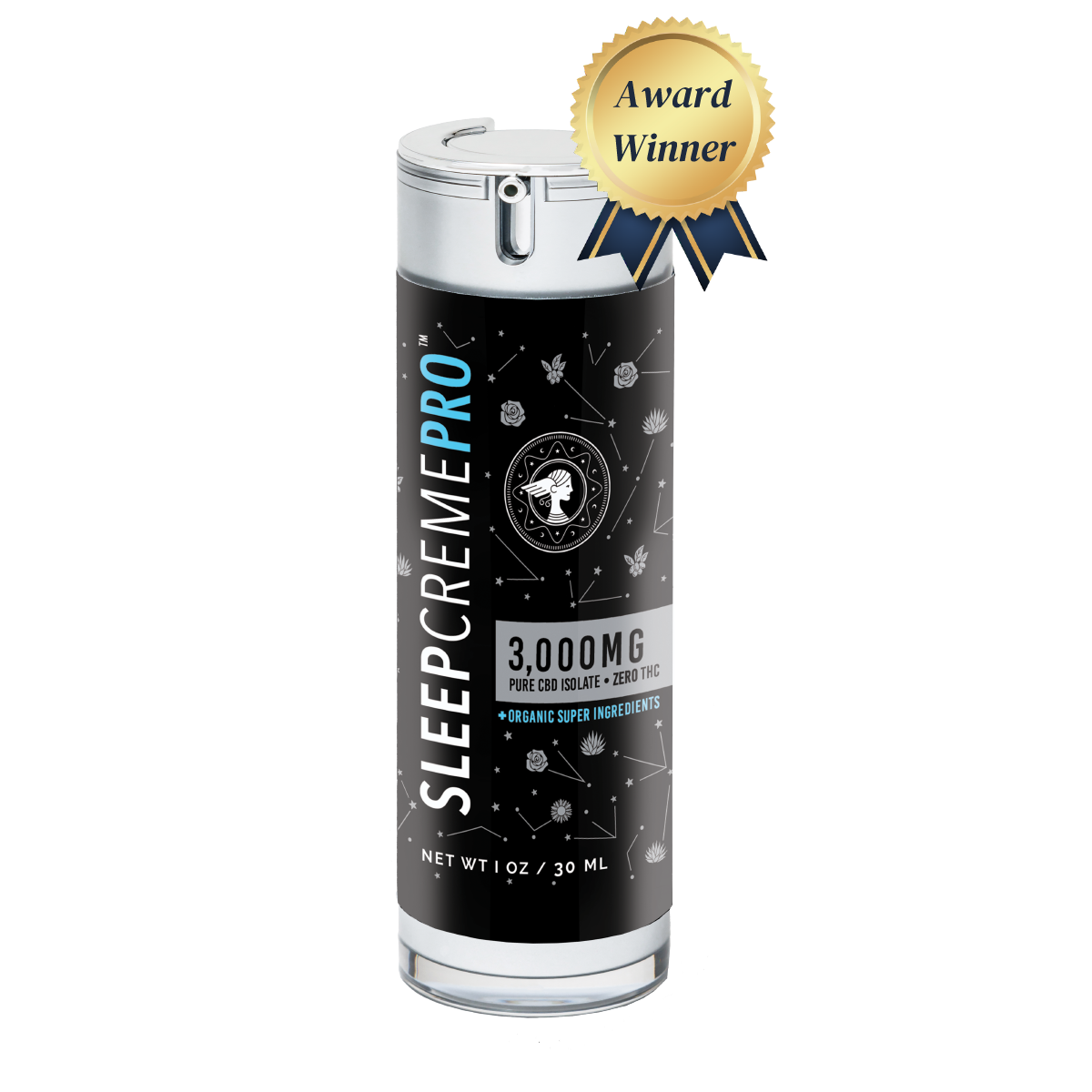
SleepCreme is designed to be part of that consistent wind-down moment. It is not meant to replace healthy habits, and it is not a weight loss product. Instead, it supports the nightly ritual that helps your body prepare for rest.
A simple routine might look like this:
Dim the lights. Put your phone away. Apply SleepCreme to your neck, shoulders, or chest. Take a few slow breaths. Let your body begin to release the day.
The more often you repeat that rhythm, the more familiar it becomes. And when your body recognizes the pattern, sleep may begin to feel less like something you chase and more like something you allow.
Start With Better Nights
If you are working toward better health, more energy, or weight loss goals, do not overlook sleep. It may be one of the most important foundations you can build.
Not because sleep does the work for you, but because better sleep helps support the body, mindset, and consistency required to keep going.
This is the heart of the April Sleep Reset:
Small habits. Repeated nightly. Built into a rhythm your body can trust.
Download the 7-Night Sleep Reset Guide
If you are ready to begin, download our free 7-Night Sleep Reset Guide and start building a routine that supports better rest.
Inside, you will find a simple nightly plan to help you reset your rhythm, calm your mind, and build consistency—one night at a time.
Download the guide HERE + receive a private 20% savings to get started.
Final Thought
Weight loss is not just about what happens during the day.
It is also shaped by what happens at night.
When your sleep improves, your body is better supported. Your energy is better supported. Your habits are better supported.
And sometimes, that is exactly where progress begins!
Sources Noted
CDC — Adult sleep recommendations and short sleep duration.
JAMA Internal Medicine — Sleep extension and reduced energy intake in adults with overweight.
NIH / PubMed Central — Sleep restriction, appetite, metabolism, and endocrine function.
University of Chicago research summary — Sleep loss, appetite hormones, and calorie-dense food preference.