Sleep Awareness Month: Why Americans Struggle to Sleep
Better Days Start Here
NOTE: It’s Sleep Awareness Week, now through March 14, a time dedicated to understanding why sleep matters and how better nights create better days. Throughout Sleep Awareness Month, we’re sharing science-backed sleep tips, helpful resources, and exclusive savings available only to our email subscribers. If you’d like practical guidance and special offers delivered straight to your inbox, be sure to join our email list and follow along with us this month. Better days truly start here.
March is Sleep Awareness Month, a time set aside each year to remind us of something both simple and powerful: sleep is not a luxury. It’s a biological necessity.
Yet for millions of Americans, restful sleep feels harder to achieve than ever before.
People feel exhausted but stay up late. They go to bed on time but wake up tired. They struggle with racing thoughts, stress, or disrupted sleep cycles that leave them drained the next day.
If this sounds familiar, you’re not alone.
Sleep Awareness Month exists because sleep problems have become incredibly common—and because improving sleep can transform nearly every aspect of daily life.
Understanding why we struggle with sleep is the first step toward improving it.
Why Americans Are Having Trouble Sleeping
Modern life has changed how—and when—we sleep.
Stress, technology, work schedules, and lifestyle habits all play a role in the growing sleep challenges people experience today.
In fact, surveys show that more than half of Americans say they would feel better if they got more sleep, highlighting how widespread the issue has become.
Some of the most common reasons people struggle with sleep include:
Stress and Mental Overload
Many people go to bed physically tired but mentally active. Work demands, financial concerns, and constant information overload can keep the brain alert long after the body is ready to rest.
Technology and Screens
Phones, tablets, and laptops often follow us into the bedroom. Late-night scrolling, streaming, and messaging stimulate the brain and delay the natural transition into sleep.
Studies also show that smartphone activity in bed is associated with greater bedtime procrastination and lower sleep quality.
Irregular Sleep Schedules
Late nights during the week followed by sleeping in on weekends can disrupt the body’s internal clock, making it harder to fall asleep consistently.
Sleep Disorders
Insomnia, sleep apnea, and restless sleep affect millions of people. Surveys estimate that about 12% of Americans have been diagnosed with chronic insomnia.
All of these factors contribute to one simple outcome: people are sleeping less and restoring less.
And that lack of restoration shows up in daily life.
Why We Sometimes Resist Sleep
One of the most fascinating parts of modern sleep research is this paradox:
Many people want more sleep—but resist going to bed.
Psychologists call this “bedtime procrastination.”
It happens when people delay going to bed even though they know sleep is important.
Researchers describe bedtime procrastination as failing to go to bed at the intended time despite no external reason preventing it.
Why does this happen?
Several psychological factors are involved.
Reclaiming Personal Time
After long days filled with responsibilities, people often feel they deserve a little time for themselves. This can lead to staying up late watching shows, scrolling social media, or doing hobbies.
This behavior is sometimes called “revenge bedtime procrastination,” when people stay up late to reclaim personal time they didn’t have during the day.
Cognitive Fatigue
By the end of the day, self-control is often depleted. That makes it harder to stick to healthy bedtime habits.
The Brain’s Reward System
Late-night entertainment and digital content activate the brain’s reward system, making it difficult to stop even when we know we should sleep.
In other words, the problem isn’t always discipline—it’s biology and psychology interacting with modern life.
Why Sleep Is Essential for Health
Sleep is often misunderstood as passive rest. In reality, it’s one of the most biologically active processes in the body.
During deep sleep, the body performs critical maintenance tasks that support physical and mental health.
While you sleep, your body:
• Repairs tissues and muscles
• Rebalances hormones
• Processes memories and learning
• Regulates stress responses
• Strengthens the immune system
• Restores energy stores
Without sufficient restorative sleep, these processes remain incomplete.
That’s why sleep deprivation often leads to fatigue, irritability, and reduced concentration.
Sleep is the body’s nightly reset system.
When it works well, we feel energized and mentally clear.
When it doesn’t, everything feels harder.
Do Physical and Psychological Problems Show Up in Sleep?
One of the most common questions sleep experts hear is:
Does poor sleep cause health problems—or do health problems cause poor sleep?
The answer is both.
Sleep and health influence each other in a powerful feedback loop.
Sleep and Mental Health
Sleep disruption is closely linked to emotional regulation.
When people sleep poorly, they often experience:
• Increased stress
• Greater irritability
• Difficulty concentrating
• Reduced resilience to daily challenges
Research has also shown that people who procrastinate sleep often report higher symptoms of anxiety and depression and lower sleep quality.
Sleep and Physical Health
Poor sleep can also affect the body in measurable ways.
Sleep loss is associated with:
• Weakened immune response
• Hormonal imbalance
• Increased inflammation
• Greater risk of chronic health conditions
On the other hand, physical discomfort, illness, and stress can also make sleep harder.
This is why sleep problems are often one of the first signs that something in the body or mind is out of balance.
Sleep acts like an early warning system.
The Modern Sleep Challenge
One of the reasons Sleep Awareness Month exists is that improving sleep often requires awareness first.
Many people assume that feeling tired is simply part of modern life.
But fatigue isn’t inevitable.
In many cases, improving sleep begins with small adjustments that support the body’s natural rhythms.
Some of the most effective sleep habits include:
• maintaining a consistent bedtime
• limiting screen exposure before bed
• creating a calm nighttime environment
• reducing late-night stress triggers
• establishing a relaxing nightly routine
Small changes can have a powerful cumulative effect.
How SleepCreme Fits Into the Conversation
At SleepCreme, we believe sleep should feel natural and restorative—not forced.
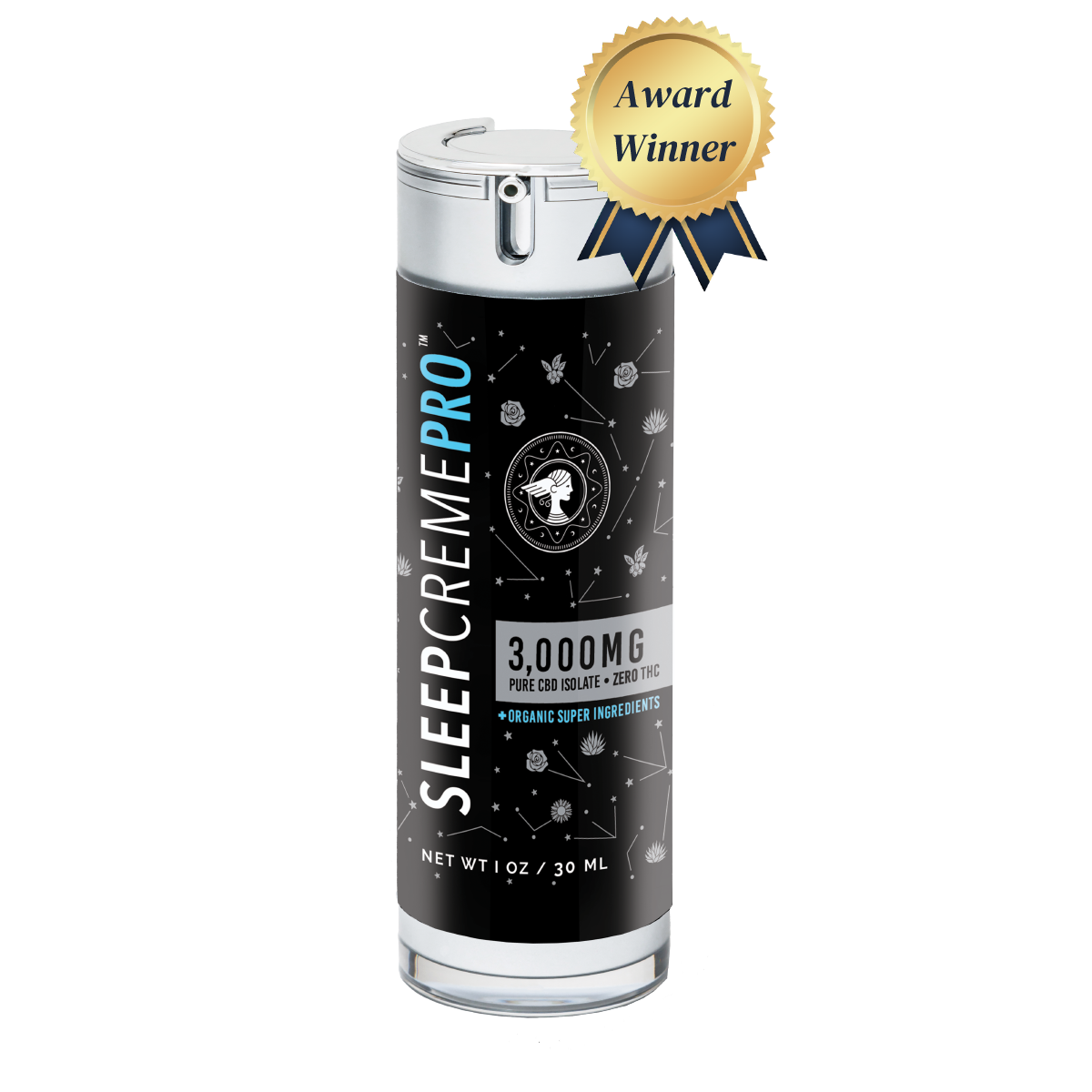
SleepCreme was designed to support a calming nighttime routine that helps the body transition from daytime activity into nighttime restoration.
The topical formula contains varying strengths of 99%+ pure CBD isolate, nano-sized to enhance absorption, along with soothing botanical ingredients and lavender essential oil.
Applied before bed, SleepCreme becomes part of a nightly ritual that encourages relaxation and signals to the body that it’s time to wind down.
Touch, scent, and repetition can be powerful cues for the nervous system.
And when used consistently, those cues help create the conditions for deeper, more restorative sleep.
SleepCreme isn’t about forcing sleep.
It’s about supporting the body’s natural transition into rest.
Better Days Start Here
Sleep Awareness Month reminds us that sleep is not something to squeeze into the end of the day.
It’s the foundation that shapes everything that follows.
Energy.
Mood.
Focus.
Resilience.
All begin with restoration.
When we protect our nights, we improve our days.
And sometimes the most powerful step toward better health is also the simplest:
Getting better sleep.
Because better nights lead to better mornings.