Sleep Awareness Month: Why Sleep Matters More Than Ever
Better Days Start Here
March is Sleep Awareness Month—a time dedicated to something we often take for granted: sleep.
In a culture that celebrates productivity, late nights, and pushing through fatigue, sleep is frequently treated as optional. Yet research consistently shows that sleep is one of the most important factors in our overall health and well-being.
Energy, focus, emotional balance, immune strength, and long-term health all depend on restorative sleep.
Sleep Awareness Month is an opportunity to pause, reassess our habits, and remember something simple but powerful:
Better days start with better nights.
What Is Sleep Awareness Month?
Sleep Awareness Month is observed every March and is led by organizations like the National Sleep Foundation and other sleep research groups dedicated to improving public understanding of sleep health.
The goal is simple:
to educate people about why sleep matters and how better sleep can improve nearly every aspect of life.
Throughout the month, sleep experts share research, practical guidance, and strategies to help people improve their sleep habits and recognize signs of sleep problems.
It also includes Sleep Awareness Week (March 8-14, 2026) and World Sleep Day (March 13, 2025), both designed to bring global attention to the importance of healthy sleep.
For many people, Sleep Awareness Month becomes a reminder that sleep isn’t just rest—it’s a fundamental pillar of health.
Why Sleep Is So Important
Sleep isn’t simply a time when the body shuts down. In reality, it’s one of the most biologically active periods of the day.
During deep sleep, the body begins a complex restoration process that supports both physical and mental health.
While you sleep, your body is:
- Repairing muscles and tissues
- Rebalancing hormones
- Consolidating memory and learning
- Strengthening the immune system
- Clearing metabolic waste from the brain
- Regulating stress responses
These processes are essential for maintaining energy and resilience.
Without sufficient restorative sleep, the body never fully completes its nightly reset.
That incomplete restoration shows up during the day as fatigue, irritability, brain fog, and reduced stress tolerance.
In other words, how you sleep determines how you function.
The Modern Sleep Challenge
Despite knowing how important sleep is, many people struggle to get enough of it.
Modern life has created several obstacles that interfere with healthy sleep patterns.
Common factors include:
Late-night screen exposure
Phones, tablets, and computers emit blue light that can delay the body’s natural sleep signals.
Chronic stress
A busy mind often keeps the body in an alert state long after the day is over.
Irregular schedules
Inconsistent bedtimes can disrupt the body’s circadian rhythm.
Overstimulation
Late-night work, social media, and bright lighting all send signals to the brain that it’s still daytime.
Together, these habits make it harder for the body to shift into deep, restorative sleep.
Many people end up feeling exhausted even after spending eight hours in bed.
The problem isn’t always the amount of sleep—it’s the quality of restoration.
Why Deep Sleep Matters
Sleep occurs in cycles, moving through several stages throughout the night.
One of the most important stages is deep sleep, sometimes called slow-wave sleep.
Deep sleep is when the body performs its most intensive restoration work.
This stage is responsible for:
- Physical recovery
- Muscle repair
- Hormonal balance
- Energy replenishment
- Immune system support
When deep sleep is shortened or disrupted, the body cannot complete these critical processes.
That’s why someone can technically sleep for seven or eight hours and still wake up feeling tired.
Sleep Awareness Month encourages people to focus not just on sleep duration but also on sleep quality.
Small Changes That Improve Sleep
One of the encouraging messages of Sleep Awareness Month is that improving sleep often starts with small, manageable changes.
Healthy sleep habits—often called sleep hygiene—can make a significant difference.
Some of the most effective strategies include:
Create a consistent sleep schedule
Going to bed and waking up at roughly the same time each day strengthens circadian rhythm.
Reduce light exposure in the evening
Lower lighting helps signal to the brain that it’s time to wind down.
Limit stimulating activities before bed
Late-night work or intense media can make it harder for the body to relax.
Keep the bedroom calm and comfortable
Cool temperatures and quiet environments support deeper sleep.
Develop a relaxing nighttime ritual
Repeating the same calming routine each night helps the body transition from activity to rest.
Over time, these habits train the body to expect sleep and enter deeper restorative cycles more easily.
How SleepCreme Supports Better Nights
At SleepCreme, we believe sleep should feel natural and restorative—not forced.
That philosophy aligns closely with the purpose of Sleep Awareness Month.
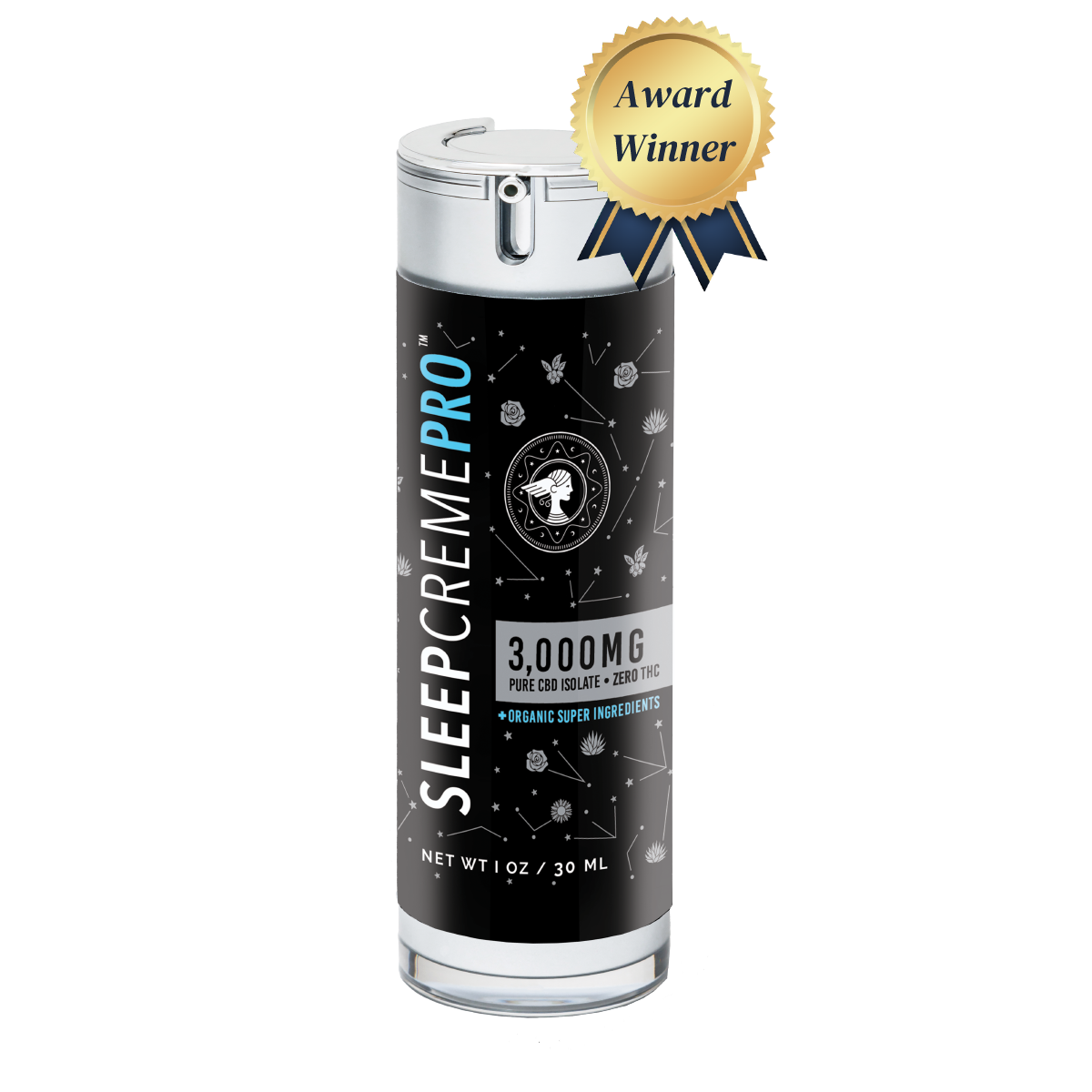
SleepCreme was created to support the body’s natural relaxation process through a calming nighttime ritual.
Our topical formula contains various strengths of 99%+ pure CBD isolate, nano-sized to enhance absorption. It also includes soothing botanical ingredients and lavender essential oil to create a calming sensory experience.
Applied before bed, SleepCreme becomes part of a nightly routine that signals the body it’s time to slow down.
Touch, scent, and repetition are powerful cues for the nervous system. When used consistently, these cues help the body shift from daytime alertness into a more relaxed state.
SleepCreme isn’t designed to override the body’s rhythm.
Instead, it supports the transition into rest—helping create the conditions for deeper, more restorative sleep.
Why Sleep Awareness Month Matters
The message behind Sleep Awareness Month is simple but profound:
Sleep is not a luxury.
It’s a foundation.
Just like nutrition and exercise, sleep plays a central role in health and well-being.
When sleep improves, people often notice benefits throughout their lives, including:
- Better mood and emotional balance
- Greater mental clarity
- Increased productivity
- Stronger immune function
- Improved physical recovery
Sleep affects nearly every system in the body.
And when we protect sleep, everything else tends to improve.
Better Days Start Here
This March, Sleep Awareness Month is an opportunity to shift how we think about rest.
Instead of treating sleep as something we squeeze in after everything else is done, we can begin to see it as the foundation that supports everything else.
Energy starts with restoration.
Focus starts with recovery.
Resilience starts with rest.
In other words:
Better days start here.
When you protect your nights, you give your body the chance to restore itself fully—and that restoration carries forward into the next day.
Small changes tonight can shape how tomorrow feels.
And that’s exactly what Sleep Awareness Month is meant to remind us.
Stay Connected During Sleep Awareness Month
Throughout March, we’ll be sharing weekly sleep tips, research insights, and practical ways to build better sleep habits.
Join our email list to receive sleep guidance and special discount offers available only to subscribers.
Because better nights lead to better days—and it all starts here.