Sleep in 2026: The Wellness Trends That Matter
... and a Better Way to Wind Down
January 2026
Sleep is having a moment — again — but this year feels different.
In 2026, the sleep-and-wellness world is shifting away from “biohacking” and moving toward something more human: calming the nervous system, building repeatable routines, and using tools (including tech) without letting them create more stress. That’s good news if you’ve ever laid in bed exhausted… and still felt wide awake.
Below are the biggest sleep trends shaping 2026 — plus simple, research-backed ways to use them in real life. No perfection required. Just a calmer landing at the end of your day.
Trend #1: Sleep anxiety is becoming the real sleep disruptor
One of the most talked-about wellness patterns right now isn’t insomnia itself — it’s what happens around insomnia: sleep anxiety. That loop of worrying about sleep, tracking it, thinking about it, trying harder… and accidentally revving your body into “alert mode.”
Industry trend reporting has specifically flagged sleep anxiety as a rising challenge, especially in an always-on world. A recent public health segment also pointed to how sleep-tracking and “perfect sleep” pressure can amplify the problem.
What sleep anxiety looks like
- You dread bedtime because it feels like a test you might fail
- You clock-watch (or “sleep-score watch”)
- You feel tired, but your mind stays busy
- You’re “trying to sleep” instead of letting sleep happen
The shift for 2026: Instead of chasing sleep, people are focusing on downshifting first — telling the body it’s safe to rest.
Try this tonight: Make your goal “calm” for 20 minutes — not “sleep.”
Calm is the doorway. Sleep is what happens after.
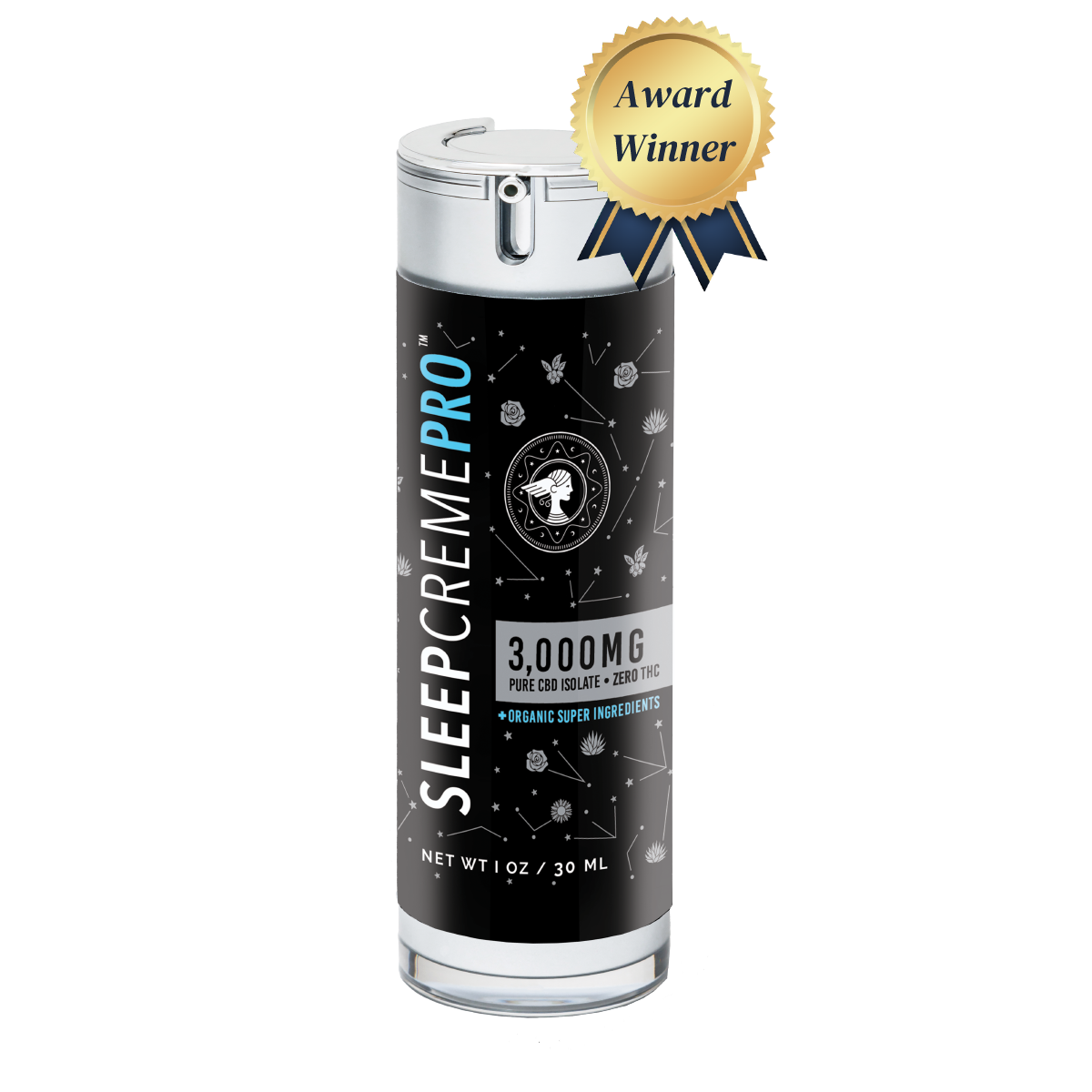
Where SleepCreme fits naturally: as part of a consistent wind-down cue — a sensory ritual that signals “we’re done for the day.”
Trend #2: Sleep is being treated like medicine (because it is)
The American Academy of Sleep Medicine has been pushing a clear message for years: sleep is a pillar of health, on par with nutrition and exercise. In 2026, that thinking is showing up everywhere — from workplace wellness policies to how people plan travel, workouts, and evening schedules.
Translation: people aren’t just asking “How many hours did I get?”
They’re asking: “Did I recover?”
A 2026 mindset that helps
Instead of trying to force 8 hours, focus on the inputs you control:
- A steady wake time most days
- Morning light exposure
- A predictable pre-sleep routine
- Less stimulation late at night
- A bedroom that feels like rest (not a second office)
If you want a practical checklist, this post pairs well with:
Sleep Hacks That Actually Work: https://sleepcreme.com/blogs/sleepcreme/sleep-hacks-that-actually-work
Trend #3: CBT-I is still the gold-standard — and digital options are expanding
If insomnia is persistent, the most consistently recommended evidence-based approach in sleep medicine remains CBT-I (Cognitive Behavioral Therapy for Insomnia). The AASM notes CBT-I as first-line treatment for chronic insomnia in adults, and it has also reviewed digital CBT-I tools that may help expand access.
This matters because 2026 isn’t only about new products — it’s about better systems for sleep support.
What CBT-I teaches (in plain English)
CBT-I helps you:
- reduce the “pressure” and fear around sleep
- rebuild trust in your body’s sleep drive
- strengthen your sleep rhythm with consistent timing
- stop habits that accidentally train your brain to stay alert in bed
Helpful, responsible note: If you’ve been struggling for months, or sleep issues are affecting daily life, ask a clinician about CBT-I (in-person, telehealth, or evidence-based digital options).
Where SleepCreme fits: alongside the basics — as part of a calming bedtime ritual that supports consistency (not as a “quick fix,” and not as a replacement for clinical care).
Trend #4: Wearables are everywhere — and “orthosomnia” is the backlash
Sleep rings. Sleep patches. Smart mattresses. AI beds. In 2026, sleep tech is booming, and headlines are full of new gadgets promising deeper rest.
But there’s also a growing conversation about orthosomnia — when tracking becomes a stressor, and the pursuit of perfect data keeps you awake.
The best way to use sleep tech in 2026
Sleep trackers can be useful — especially for big-picture trends — but they’re not a verdict on your body.
Research continues to evaluate consumer sleep tracker performance and shows they can estimate some measures like total sleep time reasonably in certain settings, while sleep staging is generally less reliable.
Use your tracker like a weather report, not a report card.
Look for patterns — not perfection.
A better “sleep score” to track
Ask these three questions each week:
- Am I keeping a fairly steady wake time?
- Am I getting morning light most days?
- Do I have a consistent wind-down routine?
If yes, you’re winning — even if your wearable is dramatic about it.
Trend #5: The supplement world is louder — and consumers are getting more cautious
Sleep gummies, sprays, tinctures, powders… the sleep market keeps expanding. At the same time, public reporting and medical commentary continue to raise concerns about inconsistent labeling and quality in parts of the supplement world (including melatonin variability in some markets).
This is pushing more people toward simpler, non-ingestible approaches:
- nervous-system calming routines
- sleep environment upgrades
- behavioral tools (like CBT-I principles)
- topical, sensory bedtime rituals
A smart 2026 takeaway: If you use ingestible sleep aids regularly, it’s worth discussing with a clinician — especially if you feel dependent on them or your sleep is worsening.
The 2026 Wind-Down Routine That Actually Works
This is the heart of the 2026 sleep trend cycle: your body needs a bridge from day-mode to night-mode.
Here’s a routine you can repeat in under 30 minutes. It’s simple, it’s realistic, and it builds the kind of consistency your nervous system loves.
The “10–10–10” Wind-Down
10 minutes: Soften your environment
- Dim overhead lights (switch to lamps if you can)
- Turn down noise and stimulation
- Put your phone on a charger across the room
- Set your room a bit cooler if possible
10 minutes: Downshift your body
Pick one:
- a warm shower or rinse
- gentle stretching (neck, hips, calves)
- legs up the wall
- a slow walk around the house with low lights
10 minutes: Create a sensory cue (your “sleep signal”)
This is where routines become powerful. Your brain learns: this = bedtime.
Choose two:
- calming scent (lavender is a classic bedtime cue)
- slow breathing (inhale 4, exhale 6 for 3–5 minutes)
- light reading (paper book > screen)
- a consistent topical ritual
Many SleepCreme customers love using this step as their “nightly switch.” If you’re new, start with a small amount and treat it like a self-care ritual: slow application, gentle massage, deep breaths, lights low.
If you want to build a complete bedtime routine, this post is a great companion:
Sleep Hacks That Actually Work (internal link): https://sleepcreme.com/blogs/sleepcreme/sleep-hacks-that-actually-work
Bonus: The “middle-of-the-night reset” (when you wake up at 2:00 a.m.)
Waking briefly at night can happen during normal sleep-cycle transitions. What matters most is what you do next: keep the body calm, keep the environment boring, and avoid turning wakefulness into a full second day.
Try:
- keep lights low (no bright overhead lighting)
- avoid checking the time repeatedly
- take 6–10 slow breaths
- do something calming for a few minutes if you feel wired (quiet reading, a short meditation)
If you use SleepCreme as part of your ritual, some people like keeping it nearby as a gentle cue to return to rest — again, think routine and relaxation, not pressure.
When to talk to a professional
If any of the following are true, it’s worth getting extra support:
- loud snoring, gasping, or choking during sleep
- significant daytime sleepiness
- insomnia that lasts 3+ months
- anxiety or depression symptoms that are escalating
You can also ask about CBT-I as a structured, evidence-based approach.
Want a calmer bedtime routine?
Want a calmer bedtime routine in 2026? Start with a ritual — not a rescue mission.
SleepCreme is designed to support your wind-down with a simple topical routine you can repeat nightly.
- Learn how SleepCreme works: https://sleepcreme.com/pages/how-it-works
- Browse products: https://sleepcreme.com/collections/all
- FAQ (shipping, usage, ingredients): https://sleepcreme.com/pages/faq
- Read next: Sleep Hacks That Actually Work https://sleepcreme.com/blogs/sleepcreme/sleep-hacks-that-actually-work
Important: SleepCreme is a topical wellness product and is not intended to diagnose, treat, cure, or prevent any disease. If you have a medical condition or take prescription medications, consult a qualified healthcare professional.