
CBD and Benadryl both help with sleep, but in very different ways. Benadryl sedates quickly but may cause grogginess, memory issues, or dependency. CBD supports relaxation and better sleep cycles without the side effects.
So, which one actually helps you sleep better and feel better in the long run? Read on to find out.
This guide breaks down the differences so you can decide what’s right for your body, your lifestyle, and your sleep.
Let’s dive in.
What Are CBD and Benadryl?

CBD and Benadryl are both used as sleep aids, but they come from entirely different worlds. CBD, short for cannabidiol, is a naturally occurring compound found in hemp. It comes in formats like topicals, which are applied directly to the skin at pulse points for relief.
Benadryl, on the other hand, is an over-the-counter antihistamine. Its primary use is for treating allergy symptoms. However, some people take it to fall asleep quickly, although it was never designed for sleep support.
CBD vs. Benadryl for Sleep: What Are the Differences?

Sleep solutions vary in how they work, how they feel in the body, and how they support rest over time.
Let’s break down the key differences between CBD and Benadryl so you can choose what fits your sleep goals with confidence.
Mechanism of Action
CBD supports sleep by promoting balance in the nervous system. It interacts with receptors that influence mood, stress, and the sleep-wake cycle. This process encourages a natural shift into rest without forcing drowsiness.
Benadryl works by blocking histamines, the chemicals the body releases during allergic reactions. One of the side effects of this process is drowsiness. People often use Benadryl for that reason. It does not support sleep systems directly. Instead, it slows brain activity and produces a sedated state.
Effectiveness
CBD helps prepare the body for rest in a calm and steady way. It may reduce restlessness, ease tension, and promote more complete sleep cycles. Over time, people often report more consistent sleep with fewer interruptions and greater refreshment in the morning.
Benadryl helps people fall asleep quickly. It does not always lead to restful sleep. The quality of sleep may decline, especially with regular use. Some report shallow rest, early wakeups, or feeling dazed in the morning. This pattern can interfere with next-day energy and clarity.

How Fast Do They Work?
Benadryl usually acts within 20 to 30 minutes. Its sedating effect comes on quickly. That speed may be helpful for short-term use, though it often leads to next-day fatigue or mental fog.
CBD topicals tend to work within 30 to 45 minutes. The effect builds gradually and gently. This timing fits well with a nightly routine that eases the body toward sleep.
Side Effects and Safety
Sleep aids are never only about how well they work. The way they make you feel the next day matters just as much. Many people begin using something to sleep better, only to end up groggy, foggy, or more anxious than before.
Here is how CBD and Benadryl compare when it comes to short-term effects, long-term safety, and how they interact with other medications already in your routine.
Short-Term Side Effects
Benadryl is known to cause next-day grogginess, dry mouth, dizziness, and confusion. Many people report feeling mentally sluggish the following morning, even if they fall asleep quickly. Some also experience a kind of emotional dullness the next day, often described as feeling “flat” or “numb.”
These effects tend to be worse when Benadryl is used alongside other substances like melatonin or alcohol. Even a low dose can sometimes result in palpitations or a racing heartbeat, depending on the person’s sensitivity.
CBD, particularly in topical form, tends to be well-tolerated. Most people do not experience grogginess, disorientation, or digestive upset. Topicals avoid first-pass metabolism, which makes them a good choice for those who are sensitive to internal supplements.
Unlike products that contain THC, CBD isolate carries no psychoactive effects and does not produce a high.
Long-Term Risks
Benadryl is not recommended for long-term use as a sleep aid. Over time, tolerance develops, requiring higher doses to achieve the same effect. This can lead to chronic reliance, reduced effectiveness, and potential health risks.
Studies have linked long-term use of anticholinergic medications like Benadryl to increased risk of cognitive decline, including memory loss and dementia.
These concerns are especially relevant for older adults, where balance and mental clarity are already more vulnerable.
CBD has fewer long-term concerns. It does not appear to cause tolerance or dependency, even with nightly use. People who stop using CBD generally do not experience withdrawal or rebound insomnia.
Because of its interaction with the body’s regulatory systems, it supports long-term balance rather than overriding natural processes.
Medication Interactions
Benadryl can interact with many common medications, including blood pressure drugs, antidepressants, and sedatives. These interactions may compound drowsiness or cause unwanted side effects. The risk increases with age, as older adults tend to take more medications overall.
CBD, especially when applied topically, carries a lower risk of interaction. Since it bypasses the digestive tract and does not enter the bloodstream in significant amounts, it avoids most drug interactions. This makes it a safer option for individuals who already manage multiple prescriptions.
However, anyone considering CBD, particularly oral forms, should consult a healthcare provider if they are taking medications such as SSRIs or benzodiazepines.
Which Is Better for Older Adults?
People in this age group often face sleep problems that may involve trouble falling asleep, hormonal shifts, stress, and sensitivities.
So they need something that supports sleep without making them feel out of sync with their day.
Benadryl poses specific risks for older adults. It belongs to a class of drugs known for anticholinergic effects. These effects are linked to memory loss, reduced alertness, and a higher risk of falls. Some users report waking up disoriented or feeling mentally slow throughout the day. Over time, this can interfere with daily routines and increase concern about long-term cognitive health.
CBD offers a different path. It does not sedate in the traditional sense. Instead, it promotes calm and helps the nervous system transition into rest. Unlike antihistamines, CBD has not been linked to memory issues or impaired balance. Many older adults who use formats like topicals describe feeling more refreshed in the morning without the mental fog that can follow drug-induced sleep.
Can You Use CBD and Benadryl Together?
CBD and Benadryl can be taken together, but doing so is rarely necessary or recommended. Benadryl is not approved for sleep and is not considered safe for regular use as a sleep aid, especially in adults over 40. It causes sedation as a side effect, not through support of natural sleep cycles. Adding CBD on top of that may increase drowsiness, slow reaction time, and heighten confusion or next-day fatigue.
If the goal is better sleep, combining two substances that affect the nervous system may not lead to better results. It often increases the risk of feeling mentally foggy or physically unsteady the next morning. Those effects can be even stronger in people who are already sensitive to medications.
Benadryl is intended for allergies. Using it for sleep, even alone, goes against medical guidance. If sleep is the main concern, it makes more sense to focus on options that help the body rest without relying on sedation.
Natural vs Pharmaceutical: What Aligns With Your Sleep Goals?
Natural and pharmaceutical sleep aids serve different purposes. One works with the body. The other works against it.
Pharmaceuticals like Benadryl rely on sedation. They create sleep by dulling the brain. That sedation often comes with side effects, such as grogginess, dry mouth, confusion, or slowed thinking. Over time, they may disrupt the very sleep cycles they are used to support.
Natural options like CBD take a gentler approach. They support systems already in place, helping the body wind down, quiet racing thoughts, and ease into sleep. That support happens without forcing unconsciousness. For adults who want to feel clear-headed the next morning, this difference matters.
The goal should not be sleep at any cost. It should be rest that restores. If that’s what you’re looking for, a natural path may feel more aligned with your long-term health. You should not have to choose between falling asleep and feeling like yourself the next day. There are ways to sleep well without shutting yourself off.
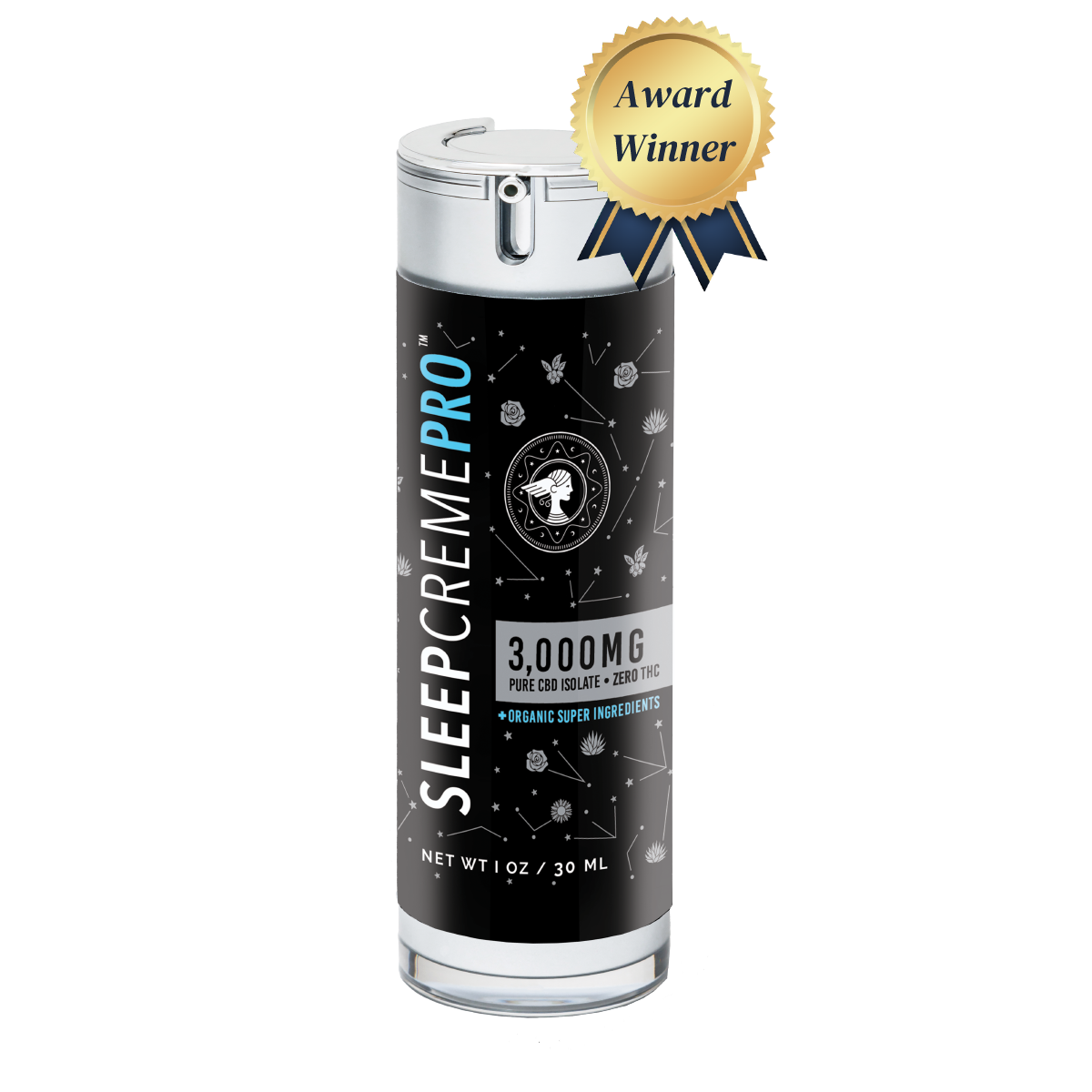
Want to try CBD without pills or THC? SleepCreme is a topical CBD isolate that many users prefer over sedatives. Check out our SleepCreme collection.